How to Evaluate ROI and Cost-Benefit Analysis for Oil Bath Models in Laboratories
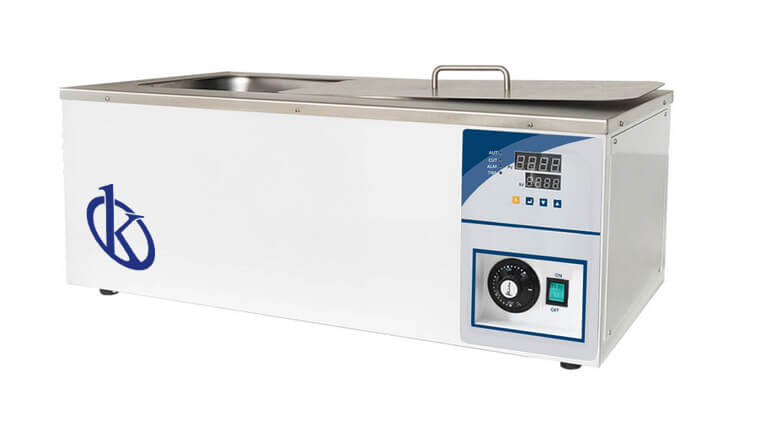
In the realm of laboratory equipment, oil baths play an essential role in maintaining precise temperature control for various applications, including bioengineering, food safety, and chemical analysis. Choosing the right oil bath model is crucial for optimizing laboratory performance and ensuring a strong return on investment (ROI). This article offers an in-depth exploration of the ROI and cost-benefit analysis relevant to oil bath models, emphasizing the features of multiple models including YR04973, YR04974, YR04975, and YR04976.
Understanding the Importance of ROI in Laboratory Equipment
When investing in laboratory equipment such as oil baths, understanding the ROI is paramount. ROI is a metric used to evaluate the efficiency of an investment relative to its costs. For oil baths, this involves analyzing cost elements such as purchase price, operational expenses, and the expected lifespan of the equipment. A thorough ROI evaluation helps laboratory managers make informed decisions that maximize both financial and operational outcomes.
Cost-Benefit Analysis: A Comprehensive Approach
Conducting a cost-benefit analysis involves identifying all costs associated with the oil bath, including initial purchase costs, maintenance, utilities, and any operational downtime. By comparing these costs against the anticipated benefits—such as improved efficiency, enhanced accuracy, and time savings—laboratories can determine which model provides the best overall value. Each oil bath model has unique features that can influence these calculations significantly.
Key Features of Oil Bath Models
The YR series of oil baths offers a range of features tailored to meet the diverse needs of laboratories. Understanding these features is essential for analyzing ROI:
- Temperature Control: Each model offers precise temperature control with a range from RT +5 to 250°C, ensuring reliability in various applications.
- Power Ratings: The models vary in power consumption, affecting operational costs; for instance, YR04973 has a power rating of 1000W, while YR04976 has 2000W.
- Adjustability and Timers: With adjustable timers up to 999 minutes, operators can efficiently manage experiments without constant supervision.
- Safety Features: Each model includes overcurrent protection and temperature alarms, enhancing user safety while maintaining operational integrity.
Comparison of Available Models
| Model | CAPEX (USD) | Cost per Test (Est. USD) | Payback Period (Months) | Recommended Scenario |
|---|---|---|---|---|
| YR04973 | 150.00 | 1.50 | 10 | Small labs with intermittent use |
| YR04974 | 165.00 | 1.73 | 12 | Medium labs requiring consistent temperature control |
| YR04975 | 192.00 | 1.92 | 14 | Research-intensive environments needing high precision |
| YR04976 | 250.00 | 2.50 | 16 | High-throughput labs focused on efficiency |
Calculating Cost per Test and Operational Efficiency
To accurately assess the cost per test for each oil bath model, the following factors must be considered:
- Initial purchase price
- Operating cost of electricity (kWh)
- Labor costs associated with operation
- Downtime and maintenance costs
By quantifying these factors, laboratories can derive a satisfactory cost per test figure, enabling comparisons across different models.
Common Mistakes and How to Avoid Them
When evaluating oil baths for ROI and cost-benefit, several common mistakes can hinder decision-making:
- Ignoring Long-Term Costs: Focusing solely on the initial purchase price without considering long-term operational expenses can lead to poor investment choices.
- Neglecting Maintenance: Failing to account for maintenance costs can distort the true ROI and total cost of ownership.
- Overlooking Model Specifics: Not understanding the specific features and benefits of each model can result in selections that do not meet laboratory needs.
By thoroughly analyzing all associated costs and operational specifics, laboratories can make informed purchases that yield positive ROI.
Frequently Asked Questions
How can I determine the ROI of different oil bath models for my lab?
To determine ROI for oil bath models like YR04973 and YR04976, calculate total costs (initial, operational, and maintenance) against the benefits such as improved efficiency and time savings. This helps assess which model offers the best financial return over time.
What factors should be included in the cost-benefit analysis for oil baths?
In a cost-benefit analysis for oil baths, include purchase price, power consumption, maintenance costs, and anticipated lifespan. For example, the YR04974 model has a price of $165 and a specific operating cost, making it essential to calculate expected returns based on these values.
Which oil bath model is most cost-effective for small laboratories?
For small laboratories, the YR04973 model, priced at $150, may be the most cost-effective option, as it balances initial costs with operational efficiency, making it suitable for intermittent use.
How do operational costs affect the ROI of oil baths?
Operational costs, including electricity and maintenance for models like YR04975, directly impact ROI. Higher operational costs can shorten payback periods, while lower costs enhance profitability, making this an essential consideration in your analysis.
Can I optimize my laboratory efficiency with a specific oil bath model?
Yes, selecting the right oil bath model, such as YR04976 for high-throughput labs, can significantly optimize laboratory efficiency through precise temperature control and reduced downtime, which contributes positively to overall productivity.
What is the expected lifespan of oil baths, and how does it factor into ROI?
The expected lifespan of oil baths varies by model, generally around 5-10 years. This longevity allows laboratories to amortize their initial investment over many years, which is a critical factor in calculating ROI and justifying the purchase.
How do safety features impact the cost-benefit ratio of oil baths?
Safety features, such as overcurrent protection in models like YR04974, enhance the cost-benefit ratio by reducing the risk of equipment failure and potential lab accidents, ultimately saving costs on repairs and downtime.
What maintenance practices maximize ROI for oil bath models?
Regular maintenance practices, including calibration and cleaning, maximize ROI for oil bath models like YR04976. Keeping the equipment in optimal condition reduces the likelihood of costly repairs and extends its useful life, positively influencing long-term returns.
If you are looking for a fusion of innovation and quality, you have come to the right place. At Kalstein, we offer you the luxury of exploring our exclusive catalog of laboratory equipment. We manufacture every device to the highest standards of excellence. Our intuitive and seamless online purchasing channels are designed for your convenience, securing the most competitive prices. Hesitate no longer — we bring science to life, it is time to become part of our community.