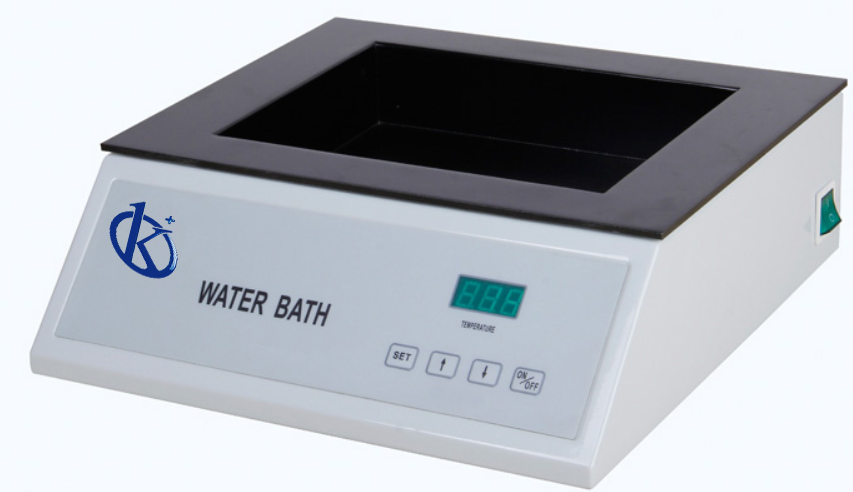
Analyzing ROI and Cost-Benefit for Tissue Water Baths in Laboratories
As laboratory professionals, understanding the return on investment (ROI) and cost-benefit analysis of equipment is essential for making informed purchasing decisions. This article focuses on tissue water baths, a vital tool in pathological anatomy labs, comparing different models to facilitate cost-effectiveness and performance. We will explore key factors affecting ROI, discuss common mistakes, and provide a comprehensive comparison of available models.
Framing Tissue Water Baths through ROI and Cost-Benefit Analysis
Tissue water baths are integral for maintaining optimal temperature conditions for tissue specimens. Given the significant investment involved in purchasing such equipment, evaluating ROI and conducting a cost-benefit analysis becomes critical. This involves assessing both direct costs, such as purchase price and energy consumption, and indirect costs, like maintenance and downtime. By understanding these metrics, laboratories can ensure that they make the most efficient use of resources while maximizing productivity.
Key Factors Influencing ROI in Tissue Water Baths
When analyzing the ROI for tissue water baths, several key factors need to be considered:
- Initial Capital Expenditure (CAPEX): The upfront cost of the water bath models plays a crucial role in determining ROI.
- Operational Expenditure (OPEX): This includes energy costs, maintenance, and repairs throughout the equipment's life.
- Cost per Test: The cost effectiveness of the water bath can be determined by analyzing the average cost incurred per test conducted.
- Downtime: Evaluating potential downtime due to equipment failure or maintenance is critical for determining the total cost of ownership.
- Energy Efficiency: Models that consume less power contribute significantly to lowering OPEX over time.
Direct Cost Analysis: CAPEX and OPEX
To illustrate the financial implications, we can break down the CAPEX and OPEX of the models discussed in this article:
| Model | CAPEX (USD) | Energy Consumption (W) | Average Annual Maintenance Cost (USD) |
|---|---|---|---|
| YR449 | 400.00 | 200 | 50 |
| YR451 | 800.00 | 400 | 75 |
| YR452 | 950.00 | 500 | 100 |
Cost per Test and Payback Period
The cost per test can be calculated from the total costs incurred divided by the number of tests performed. To determine the payback period, we will also consider the average number of tests performed annually:
| Model | Cost per Test (USD) | Annual Tests | Payback Period (months) |
|---|---|---|---|
| YR449 | 10 | 2000 | 2 |
| YR451 | 12 | 1500 | 5 |
| YR452 | 15 | 1000 | 8 |
Comparison of Available Models
| Model Code | Price (USD) | Temperature Range (°C) | Precision Control (±°C) | Best For |
|---|---|---|---|---|
| YR449 | 400.00 | RT to 90 | ±1 | Budget-conscious labs |
| YR451 | 800.00 | 0 to 85 | ±1 | High-volume testing |
| YR452 | 950.00 | RT to 75 | ±1 | Advanced applications |
Common Mistakes and How to Avoid Them
Laboratories often overlook key factors when investing in tissue water baths, leading to suboptimal choices. Common mistakes include:
- Underestimating Total Costs: Failing to calculate all costs associated with ownership can lead to budget overruns.
- Choosing Based Solely on Price: Selecting the cheapest model may result in high long-term costs due to inefficiency.
- Ignoring Energy Efficiency: Not considering the energy consumption of the water bath can significantly affect OPEX.
To avoid these pitfalls, laboratories should conduct thorough research, involve stakeholders in purchasing decisions, and perform detailed cost analyses.
Frequently Asked Questions
What factors determine the ROI of a tissue water bath in a lab?
The ROI of a tissue water bath is determined by initial capital expenditure (CAPEX), operational expenditure (OPEX), maintenance costs, and the number of tests performed annually. For example, the YR449 model, with a CAPEX of $400, offers a competitive cost per test, making it ideal for labs seeking to maximize ROI.
How can I calculate the energy cost for running a tissue water bath?
To calculate the energy cost of running a tissue water bath, multiply the power consumption (watts) by the operating hours and the cost per kilowatt-hour. For instance, the YR451 model uses 400W, so if it runs for 8 hours daily, the yearly cost can be significant.
Which tissue water bath model is best for high-volume testing?
The YR451 model is optimal for high-volume testing with a capacity to maintain temperatures between 0 to 85°C and a power consumption of 400W. Its cost-effective operation and features cater to laboratories needing consistent performance for numerous tests.
What is the average maintenance cost for tissue water baths?
Average maintenance costs for tissue water baths vary by model, with the YR449 requiring around $50 annually. Regular maintenance can greatly extend the equipment's lifespan and ensure consistent performance, making it a critical aspect of budgeting.
How does the temperature range affect tissue water bath applications?
The temperature range of a tissue water bath significantly influences its application scope. For example, the YR449 offers a range from RT to 90°C, making it versatile for various pathological applications, while the YR452's range is suited for more specialized tasks.
What energy efficiency features should I look for in a tissue water bath?
When assessing energy efficiency in a tissue water bath, look for models with lower wattage consumption, like the YR449 with its 200W. Features such as automatic temperature controls and insulation also contribute to reduced energy expenses over time.
Can a tissue water bath model improve lab productivity?
Yes, a well-chosen tissue water bath model can enhance lab productivity. For instance, the YR451 allows for real-time temperature monitoring, reducing setup times and increasing throughput, which is essential for labs with high testing demands.
What are the key specifications to compare when choosing a tissue water bath?
Key specifications to compare include temperature range, precision control, energy consumption, and price. The YR452 model, for instance, offers a good balance of precision and performance, making it a strong candidate for advanced laboratory settings.
If you are looking for a fusion of innovation and quality, you have come to the right place. At Kalstein, we offer you the luxury of exploring our exclusive catalog of laboratory equipment. We manufacture every device to the highest standards of excellence. Our intuitive and seamless online purchasing channels are designed for your convenience, securing the most competitive prices. Hesitate no longer — we bring science to life, it is time to become part of our community.