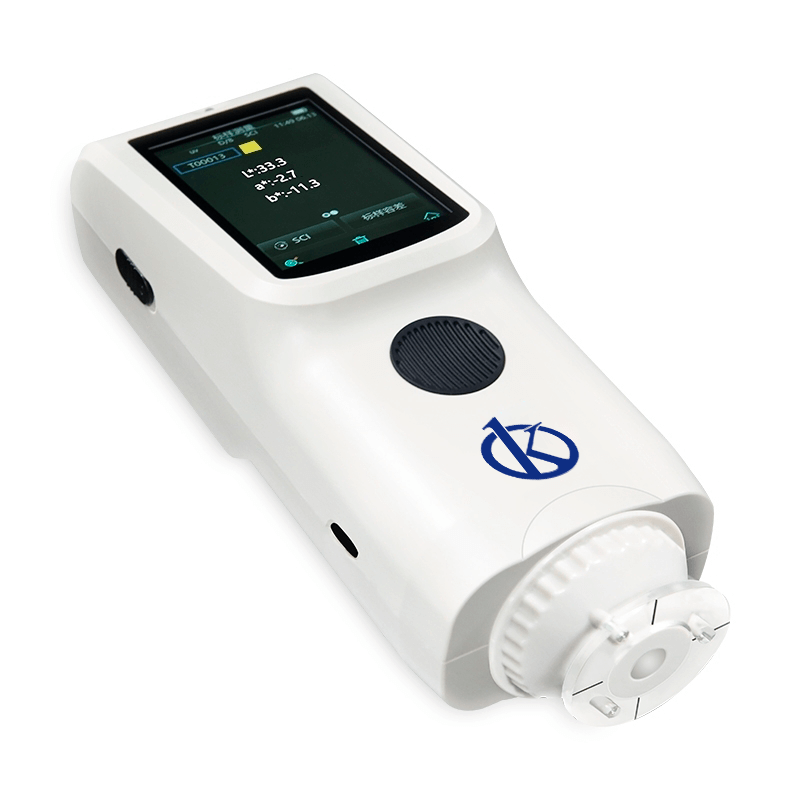
Spectrocolorimeters: Practical Applications and Techniques 2026
Spectrocolorimeters are essential tools in various fields, including research, biotechnology, and academia. Their usage encompasses a wide range of applications that involve precise color measurement and analysis. This comprehensive guide aims to provide laboratory professionals with a deep understanding of how to effectively utilize these instruments in 2026.
What is it used for in 2026
In 2026, spectrocolorimeters are used for a variety of purposes, including but not limited to:
- Quality control in manufacturing processes
- Color matching in paint and coating industries
- Textile color analysis and dyeing processes
- Food and beverage color measurement
- Environmental monitoring and analysis
These devices provide accurate readings of color differences and help maintain consistency across products.
History and evolution of the technology
The development of spectrocolorimeters dates back to the early 20th century with the advent of colorimetry as a scientific discipline. Over the years, the technology has evolved from simple visual comparisons to sophisticated electronic devices capable of providing precise measurements. The introduction of digital sensors and advanced algorithms has significantly improved the accuracy and reliability of spectrocolorimeters, making them indispensable in modern laboratories.
How to use it step by step
Using a spectrocolorimeter involves several steps:
- Calibrate the device: Ensure the spectrocolorimeter is calibrated according to the manufacturer's specifications.
- Prepare the sample: Ensure the sample is clean and ready for measurement.
- Select the appropriate mode: Choose between SCI (specular included) or SCE (specular excluded) modes based on your requirements.
- Measure the sample: Place the sample in the measurement area and initiate the measurement process.
- Record and analyze data: Document the results and analyze them according to your laboratory's protocols.
Following these steps will help ensure consistent and accurate results.
Best techniques and protocols
To achieve the best results when using spectrocolorimeters, consider the following techniques and protocols:
- Maintain consistent lighting conditions during measurements.
- Regularly calibrate the instrument to ensure accuracy.
- Use standardized color samples for comparison.
- Document all procedures and results for future reference.
- Train all personnel on proper usage techniques.
These best practices will enhance the reliability of your measurements and analyses.
Practical applications by laboratory type
The applications of spectrocolorimeters vary across different laboratory types:
Research Laboratories
In research, spectrocolorimeters are used to analyze the color properties of various substances, which is crucial for experimental reproducibility.
Biotechnology Laboratories
In biotechnology, they help in the development of colorimetric assays and ensure the quality of biological products.
Academic Laboratories
In academic settings, these instruments are employed in teaching and research to illustrate concepts of color theory and measurement techniques.
Regulations, standards and certifications
When using spectrocolorimeters, it is essential to comply with various regulations and standards, including:
- CIE Standards for color measurement
- ISO standards related to colorimetry
- ASTM specifications for color measurement in different industries
Adhering to these regulations ensures the credibility of your measurements and results.
Comparison with alternative technologies
While spectrocolorimeters are widely used, other technologies also serve color measurement purposes, such as:
- Colorimeters: Generally simpler and less expensive but less precise than spectrocolorimeters.
- Image analysis systems: Useful for visual assessments but can lack precision.
Each technology has its advantages and limitations, making it essential to choose based on the specific requirements of your laboratory.
Comparison of available models
| Model | Best for | Key specs | Recommended use case |
|---|---|---|---|
| YR05516 | Color difference analysis | Price: $2570.00 | Ideal for quality control in manufacturing |
| YR05517 | Color matching in coatings | Price: $1838.00 | Perfect for paint and coating industries |
| YR05518 | Textile color measurement | Price: $935.00 | Used in textile and dyeing processes |
| YR05519 | Food and beverage analysis | Price: $623.00 | Ideal for quality in food production |
Common mistakes and how to avoid them
Here are some common mistakes when using spectrocolorimeters and how to avoid them:
- Inaccurate calibration: Always perform calibration before measurements.
- Ignoring environmental factors: Ensure consistent lighting and temperature conditions.
- Poor sample preparation: Clean and prepare samples meticulously before analysis.
By being aware of these pitfalls, you can enhance the reliability of your measurements.
Maintenance, calibration and good practices 2026
Regular maintenance and calibration are crucial for ensuring the longevity and accuracy of your spectrocolorimeters:
- Schedule regular calibration intervals according to manufacturer guidelines.
- Keep the device clean and free from dust and residues.
- Train personnel on proper handling and operational procedures.
Implementing these practices in 2026 will ensure optimal performance and results from your instruments.
Cost-benefit analysis 2026
When considering the purchase of spectrocolorimeters, it's essential to perform a cost-benefit analysis:
- Assess the initial investment against potential savings in quality control and product consistency.
- Evaluate the return on investment based on improved product quality and reduced waste.
- Consider the long-term benefits of maintaining regulatory compliance.
By analyzing these factors, laboratories can make informed decisions regarding their equipment purchases.
Frequently asked questions
What are the key factors to consider when choosing a spectrocolorimeter?
Key factors include accuracy, measurement modes, ease of use, and the specific application needs of your laboratory.
How often should a spectrocolorimeter be calibrated?
It should be calibrated regularly, ideally before each use or at least once a week, depending on your laboratory's volume of measurements.
Can spectrocolorimeters be used for outdoor measurements?
While they are primarily designed for controlled environments, some models can be adapted for outdoor use with proper protection against lighting variations.
What is the difference between SCI and SCE modes?
SCI mode includes specular reflection, while SCE mode excludes it, which is essential for different types of sample surfaces.
How do I ensure consistent results across different models?
Use standardized color samples for comparison and ensure that all devices are calibrated to the same standards.
What maintenance practices are essential for spectrocolorimeters?
Regular cleaning, calibration, and training of personnel are essential for maintaining the performance and longevity of the devices.
If you are looking for a fusion of innovation and quality, you have come to the right place. At Kalstein, we offer you the luxury of exploring our exclusive catalog of laboratory equipment. We manufacture every device to the highest standards of excellence. Our intuitive and seamless online purchasing channels are designed for your convenience, securing the most competitive prices. Hesitate no longer — we bring science to life, it is time to become part of our community.