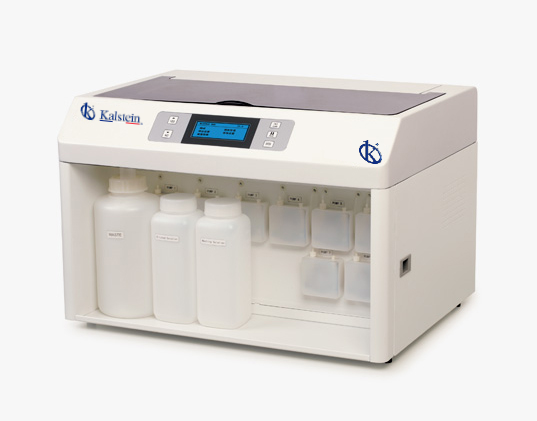
Sustainable Energy Practices in Food Safety Analyzers: A Comprehensive Guide
As the world increasingly turns its focus towards energy sustainability, laboratories must adapt their practices to minimize their environmental footprint. Food safety analyzers play a crucial role in ensuring the quality of food, but their operation can significantly impact energy consumption. This article examines how to implement sustainable energy practices in food safety analyzers, discussing various models and their contributions to sustainability.
Understanding Energy Consumption in Food Safety Analyzers
Food safety analyzers are essential tools in detecting contaminants, ensuring the safety and quality of food products. However, their usage often leads to high energy consumption, which contributes to a larger environmental footprint. By understanding the energy requirements of these devices, laboratories can begin to implement strategies to reduce their impact.
Energy consumption can vary widely among different models. For instance, the Automated Unique Immunology Analyzer YR06090 operates with high efficiency, processing up to 40 strips per run, which helps reduce the total number of runs needed and lowers overall energy use.
Comparative Analysis of Energy Efficiency
When selecting food safety analyzers, laboratories should consider energy efficiency alongside performance. This section provides a comparative analysis of three popular models: YR06090, YR06089, and YR06093, focusing on their energy consumption metrics.
Model Comparison Table
| Model | Energy Consumption (kWh/run) | Max Tests per Run | Best Applications |
|---|---|---|---|
| YR06090 | 0.5 | 40 | Immunology Testing |
| YR06089 | 0.4 | 96 | Food Safety Screening |
| YR06093 | 0.3 | Variable | Incubation and Mixing |
Implementing Energy-Saving Features
Modern food safety analyzers come equipped with various energy-saving features that can significantly reduce their carbon footprint. For example, the YR06093 model includes an adjustable temperature range and efficient mixing capabilities, allowing labs to optimize their processes without unnecessary energy expenditure.
Adjustable settings not only enhance operational efficiency but also promote a more sustainable approach to laboratory practices. By utilizing these features, labs can minimize energy usage significantly.
Reducing Reagent and Water Consumption
In addition to energy consumption, the use of reagents and water in food safety analyzers contributes to their environmental impact. Choosing analyzers that use less reagent per test can lead to more sustainable operations. For instance, the YR06089 model allows for up to 12 different assays on a single plate, maximizing the number of tests while minimizing the amount of reagents used.
Moreover, optimizing water use in cleaning processes is essential. Implementing practices such as using distilled water only when needed can further decrease resource consumption.
Lifecycle Assessment of Food Safety Analyzers
A lifecycle assessment (LCA) provides valuable insights into the environmental impact of food safety analyzers from production to disposal. Understanding the full lifecycle can help laboratories make informed choices about the models they choose and how they operate them.
For example, the YR06093, while compact and efficient, should also be evaluated based on its material composition and end-of-life disposal options to enhance overall sustainability.
Common Mistakes and How to Avoid Them
When implementing sustainable practices in laboratories, certain common mistakes can undermine efforts. One major error is failing to train staff on energy efficiency practices. Ensuring that all personnel are aware of the importance of sustainability and how to operate devices efficiently is critical.
Another mistake is neglecting regular maintenance. Properly maintained equipment operates more efficiently, reducing overall energy consumption. Regular checks can also extend the life of the analyzer, contributing to sustainability.
Comparison of Available Models
Comparison Table
| Model | Energy Efficiency Features | Usage Scenario | Best for Sustainable Practices |
|---|---|---|---|
| YR06090 | High throughput and low consumption | High-demand laboratories | Efficient processing |
| YR06089 | Multi-assay capability | Screening in-field | Resource optimization |
| YR06093 | Adjustable temperature and mixing | Incubation labs | Energy savings in incubation |
Frequently Asked Questions
What is the energy consumption of food safety analyzers like YR06090?
The Automated Unique Immunology Analyzer YR06090 has an energy consumption of approximately 0.5 kWh per run, making it efficient for high-demand laboratory environments while minimizing the environmental impact.
How can food safety analyzers reduce water usage in laboratories?
Food safety analyzers like the YR06089 are designed to optimize reagent usage, which indirectly helps in reducing water consumption during cleaning and testing phases, leading to more sustainable laboratory practices.
Which food safety analyzer is best for maximizing test efficiency?
The Food Safety Analyzer YR06089 is ideal for maximizing test efficiency, allowing up to 96 tests in a single run, thereby reducing the overall number of runs and associated energy consumption.
How do energy-saving features in YR06093 enhance laboratory operations?
The Analyzer and Microplate Incubator Shaker YR06093 features adjustable temperature settings and efficient mixing, which optimize energy use, ensuring that labs operate sustainably while maintaining high performance.
What are the benefits of lifecycle assessment for food safety analyzers?
Conducting a lifecycle assessment for food safety analyzers helps identify their environmental impact throughout their lifespan, promoting informed decisions aimed at sustainability, particularly with models like YR06093.
Can YR06090 help in reducing the environmental footprint of laboratories?
Yes, the YR06090's high throughput and low energy consumption contribute significantly to reducing the overall environmental footprint of laboratories, making it a sustainable choice for immunology testing.
What common mistakes should laboratories avoid while implementing sustainability in analyzers?
Common mistakes include not training staff on energy efficiency practices and neglecting maintenance. Regular checks and staff education are crucial for optimizing the performance of analyzers like YR06089 and YR06093.
If you are looking for a fusion of innovation and quality, you have come to the right place. At Kalstein, we offer you the luxury of exploring our exclusive catalog of laboratory equipment. We manufacture every device to the highest standards of excellence. Our intuitive and seamless online purchasing channels are designed for your convenience, securing the most competitive prices. Hesitate no longer — we bring science to life, it is time to become part of our community.