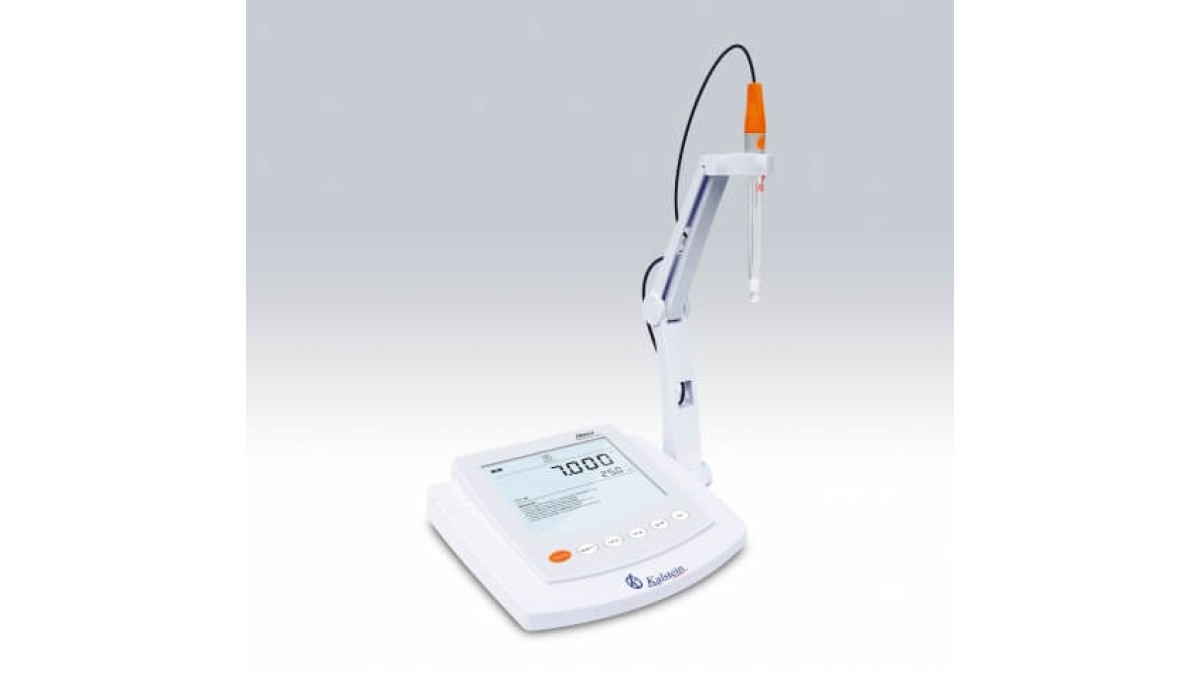
Table Conductivity Controllers: Common Mistakes and How to Avoid Them in Daily Operations 2026
Table conductivity controllers are essential tools in laboratory environments, particularly in fields that require precise measurements of conductivity, pH, and other parameters. As laboratories evolve, understanding how to effectively use and maintain these devices is crucial for ensuring accurate results and operational efficiency. This article provides an in-depth look at the practical applications and techniques involved in using table conductivity controllers in 2026.
What is it used for in 2026
Table conductivity controllers are primarily used for measuring the electrical conductivity of solutions, which indicates the concentration of ions. They are vital in various applications, including:
- Monitoring water quality in environmental studies.
- Testing chemical solutions in research and development.
- Controlling processes in industrial applications.
- Conducting experiments in educational settings.
In 2026, these controllers are designed to offer greater accuracy, user-friendly interfaces, and advanced features such as automatic calibration and temperature compensation, making them indispensable in modern laboratories.
History and evolution of the technology
The technology behind table conductivity controllers has evolved significantly over the years. Initially, these devices were basic analog units, limited by their range and precision. With advancements in electronic components and digital technology, modern table conductivity controllers now integrate microprocessors, allowing for more complex measurements and data storage capabilities.
In the early 2000s, the introduction of digital displays and automatic calibration features revolutionized their use, providing more reliable and user-friendly options. By 2026, the integration of Bluetooth and wireless features allow for remote monitoring and data transfer, enhancing their functionality in laboratory settings.
How to use it step by step
Using a table conductivity controller involves several steps to ensure accurate measurements:
- Preparation: Ensure that the device is calibrated according to the manufacturer's instructions, ideally before each measurement session.
- Sample Preparation: Prepare the solution to be tested, ensuring it is within the recommended range of conductivity for the device.
- Power On: Turn on the conductivity meter and allow it to warm up if required by the model.
- Electrode Positioning: Immerse the electrode in the solution, ensuring that it is fully submerged but not touching the container's bottom or sides.
- Measurement: Wait for the reading to stabilize before recording the value displayed on the screen.
- Cleanup: After use, clean the electrode according to the manufacturer's guidelines to prevent contamination and damage.
Best techniques and protocols
To ensure consistent and accurate results when using table conductivity controllers, follow these best practices:
- Regularly calibrate the device with standard solutions to maintain accuracy.
- Utilize proper electrode cleaning techniques to prevent cross-contamination.
- Always use the appropriate temperature compensation settings.
- Document all measurements and calibration data for future reference.
- Train all personnel on the proper use of the device to minimize user error.
Practical applications by laboratory type
The use of table conductivity controllers varies across different laboratory types:
Research Laboratories
In research settings, these devices are used to assess the purity of chemicals and monitor reaction conditions.
Environmental Laboratories
They are essential for testing water bodies for pollution levels and ensuring compliance with environmental regulations.
Industrial Laboratories
In industrial applications, conductivity meters help in quality control processes, ensuring the consistency of products.
Educational Laboratories
In educational settings, they are used to teach students about chemical properties and laboratory techniques.
Regulations, standards and certifications
Table conductivity controllers must adhere to various industry regulations and standards to ensure safety and accuracy. These can include:
- ISO 9001 for quality management systems.
- ASTM standards for testing and materials.
- Environmental regulations pertaining to water testing.
- Compliance with FDA regulations in laboratories handling consumables.
Comparison with alternative technologies
While table conductivity controllers are widely used, other technologies such as portable conductivity meters and inline measurement systems also exist. Portable meters offer mobility, making them suitable for fieldwork, but may lack the precision of benchtop models. Inline systems are often used in industrial settings for continuous monitoring but can be more expensive and complex to install.
Comparison of available models
| Model | Best for | Key specs | Recommended use case |
|---|---|---|---|
| YR01836-1 | Laboratory testing of pH and conductivity | Range: -2.000 to 20.000 pH, Accuracy: ±0.002 pH | Routine water quality testing |
| YR01836 | Advanced research and development | 5-inch LCD, USB connectivity, Automatic calibration | Chemical analysis and monitoring |
| YR01829-1 | Routine conductivity testing | Range: 0.01 to 20.00 mS/cm, Accuracy: ±1% FS | Daily control checks in labs |
| YR01829-2 | Routine conductivity testing | Range: 0.01 to 20.00 mS/cm, Accuracy: ±1% FS | Daily control checks in labs |
| YR01829 | Comprehensive solution testing | 7-inch touchscreen, Supports Bluetooth | Complex experimental setups |
| YR01828 | Multifunctional testing | 7-inch touchscreen, Measures TDS and salinity | Water quality and salinity tests |
Common mistakes and how to avoid them
Many users encounter common pitfalls when operating table conductivity controllers. Here are some of the most frequent errors and how to avoid them:
- Neglecting Calibration: Always calibrate your device before use to ensure accuracy.
- Improper Electrode Handling: Follow guidelines for cleaning and storing electrodes to extend their lifespan.
- Ignoring Temperature Effects: Use temperature compensation settings to avoid skewed results.
- Not Documenting Data: Keep a comprehensive log of readings and calibrations to track performance over time.
Maintenance, calibration and good practices 2026
Regular maintenance and calibration are essential for the longevity and accuracy of table conductivity controllers. Follow these best practices:
- Calibrate the meter regularly using standard solutions.
- Clean the electrodes after each use to prevent buildup and contamination.
- Store the meter in a protective case when not in use.
- Perform routine checks on the device to ensure proper functioning.
Cost-benefit analysis 2026
When evaluating table conductivity controllers, consider the return on investment they provide. Factors to weigh include:
- Initial purchase cost versus the accuracy and reliability of results.
- Long-term maintenance and calibration expenses.
- Potential savings from operational efficiency and reduced errors.
- Impact on research quality and compliance with regulations.
Overall, investing in high-quality table conductivity controllers can yield significant benefits in laboratory settings.
Frequently asked questions
What should I look for when choosing a table conductivity controller?
Consider factors such as measurement range, accuracy, features like automatic calibration, and user interface to select the best model for your needs.
How often should I calibrate my conductivity meter?
It is recommended to calibrate your meter before each use or at least once a day during frequent operations to ensure accuracy.
Can I use my conductivity meter for different types of solutions?
Yes, but ensure that the meter's specifications match the expected conductivity range of the solutions you intend to measure.
What are the common causes of inaccurate readings?
Inaccurate readings can be caused by improper calibration, contaminated electrodes, or temperature variations not being accounted for.
How can I extend the lifespan of my conductivity meter?
Regular maintenance, careful handling, and proper storage are key to extending the life of your conductivity meter.
Is it worth investing in a higher-priced model?
Higher-priced models often offer better accuracy, features, and durability, which can lead to better long-term performance and may justify the investment.
How can I request a quote for a conductivity controller?
You can request a quote for our conductivity controllers through our online channels for competitive pricing.
If you are looking for a fusion of innovation and quality, you have come to the right place. At Kalstein, we offer you the luxury of exploring our exclusive catalog of laboratory equipment. We manufacture every device to the highest standards of excellence. Our intuitive and seamless online purchasing channels are designed for your convenience, securing the most competitive prices. Hesitate no longer — we bring science to life, it is time to become part of our community.