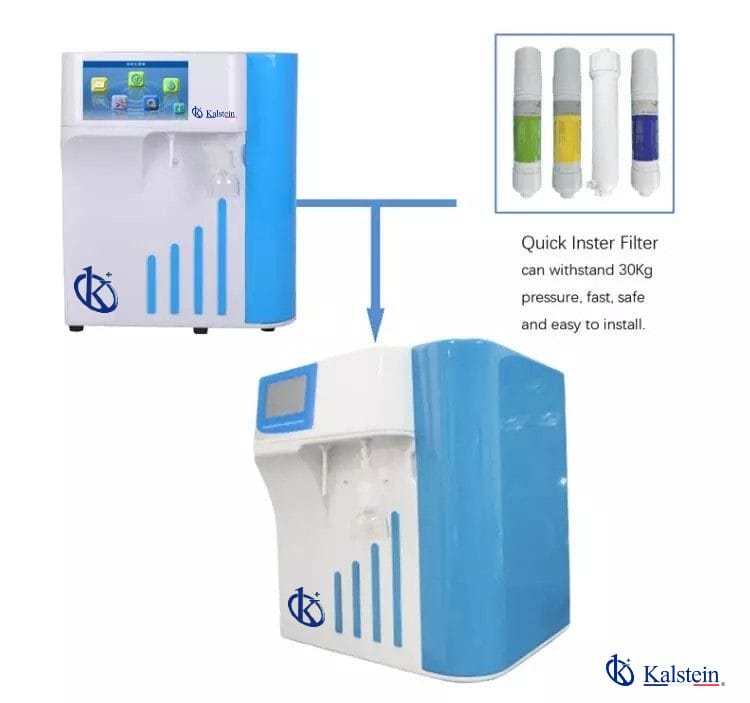
Technical Glossary and Key Terminology for the YR56-1 Water Purification System
The YR56-1 Water Purification System is an advanced solution for obtaining ultrapure water, essential for various laboratory applications. Understanding the technical terminology associated with this model is crucial for effective operation and maintenance. This article provides a comprehensive glossary of key terms related to the YR56-1, along with practical insights into their significance.
Framing the YR56-1 Water Purification System
The YR56-1 is designed to deliver purified water through a combination of technologies including reverse osmosis, ion exchange, and distillation. As water quality is paramount in laboratory settings, familiarity with the related terminologies enhances the user’s ability to utilize the system effectively.
Technical Specifications of the YR56-1
| Property | Details |
|---|---|
| Model | YR56-1 |
| Input Water Source | RO water or purified water |
| Water Flow Rate | 1-1.5 L/min |
| Machine Capacity | 60-90 L/H |
| Output Water Quality | DI water: Conductivity <0.1 μS/cm (Type II ASTM) |
| UP water: Resistivity 18.25MΩ.cm@25°C (Type I ASTM), TOC: <3 ppb, particles (>0.22 um) <1/ml, microorganisms <1 cfu/ml | |
| Pyrogens | N/A, <0.001 EU/ml |
Key Terminology Related to the YR56-1
| Term | Description |
|---|---|
| Ultrapure Water | Water with extremely low levels of dissolved substances, essential for sensitive applications. |
| Reverse Osmosis (RO) | A water purification process that uses a semi-permeable membrane to remove ions, molecules, and larger particles. |
| Ion Exchange | A process where undesirable ions are exchanged for more desirable ions on a resin. |
| Distillation | A technique that involves heating water to create vapor and then condensing it back into liquid to remove impurities. |
| Conductivity | A measure of water's ability to conduct an electrical current, indicating the level of ionic impurities. |
| Resistivity | The opposition to the flow of electric current through water, which reflects its purity. |
| TOC (Total Organic Carbon) | A measure of the organic compounds in water, which can indicate contamination. |
| CFU (Colony Forming Units) | A unit used to estimate the number of viable bacteria or fungal cells in a sample. |
| Pyrogens | Substances that can cause fevers, often removed from water for pharmaceutical applications. |
| Purification Technologies | Methods used to remove contaminants from water, including RO, ion exchange, and distillation. |
| Membrane Filtration | A process that uses a membrane to separate contaminants from water based on size. |
| Feed Water | The source water entering the purification system, which must meet specific quality standards. |
| Calibration | The process of adjusting the system to ensure accurate performance and measurements. |
| Maintenance Schedule | A planned timeline for regular servicing of the YR56-1 to ensure optimal operation. |
| Replacement Interval | The recommended timeframe for replacing consumables and parts to maintain system efficiency. |
| Microorganisms | Small organisms, including bacteria and viruses, that can contaminate water. |
| Filtration Efficiency | The effectiveness of the system in removing impurities from water. |
Frequently Asked Questions
What is ultrapure water and why is it important for laboratory applications?
Ultrapure water is water with extremely low levels of dissolved impurities, essential for laboratory applications such as pharmaceutical research, semiconductor manufacturing, and analytical chemistry. The purity of water ensures that experimental results are not compromised by contaminants.
How does the reverse osmosis process work in the YR56-1?
The reverse osmosis process in the YR56-1 works by forcing feed water through a semi-permeable membrane, which traps impurities while allowing pure water to pass through. This method effectively reduces the concentration of dissolved salts and other contaminants in the water.
What maintenance is required for the YR56-1 Water Purification System?
The YR56-1 requires regular maintenance, including the replacement of filters and membranes according to the manufacturer's recommendations. Additionally, periodic calibration and system checks are necessary to ensure optimal performance.
How can I ensure the quality of feed water for the YR56-1?
To ensure the quality of feed water for the YR56-1, it should be sourced from a reliable supply, preferably pre-treated through processes such as sediment filtration and carbon filtration to minimize contaminants before entering the purification system.
What are the indicators that the YR56-1 needs servicing?
Indicators that the YR56-1 may need servicing include decreased water flow rate, increase in output conductivity, error messages on the display, or changes in output water quality. Regular monitoring and adherence to the maintenance schedule can help identify these issues early.
What should I consider when setting up the YR56-1 in my laboratory?
When setting up the YR56-1, consider environmental conditions such as temperature, humidity, and space for proper ventilation. Additionally, ensure that the power supply meets the system's specifications and that there is adequate drainage for waste disposal.
How can I request a quote for the YR56-1 Water Purification System?
You can easily request a quote for the YR56-1 Water Purification System by contacting our sales team or visiting our inquiry section to provide your requirements and receive tailored pricing information.
If you are looking for a fusion of innovation and quality, you have come to the right place. At Kalstein, we offer you the luxury of exploring our exclusive catalog of laboratory equipment. We manufacture every device to the highest standards of excellence. Our intuitive and seamless online purchasing channels are designed for your convenience, securing the most competitive prices. Hesitate no longer — we bring science to life, it is time to become part of our community.