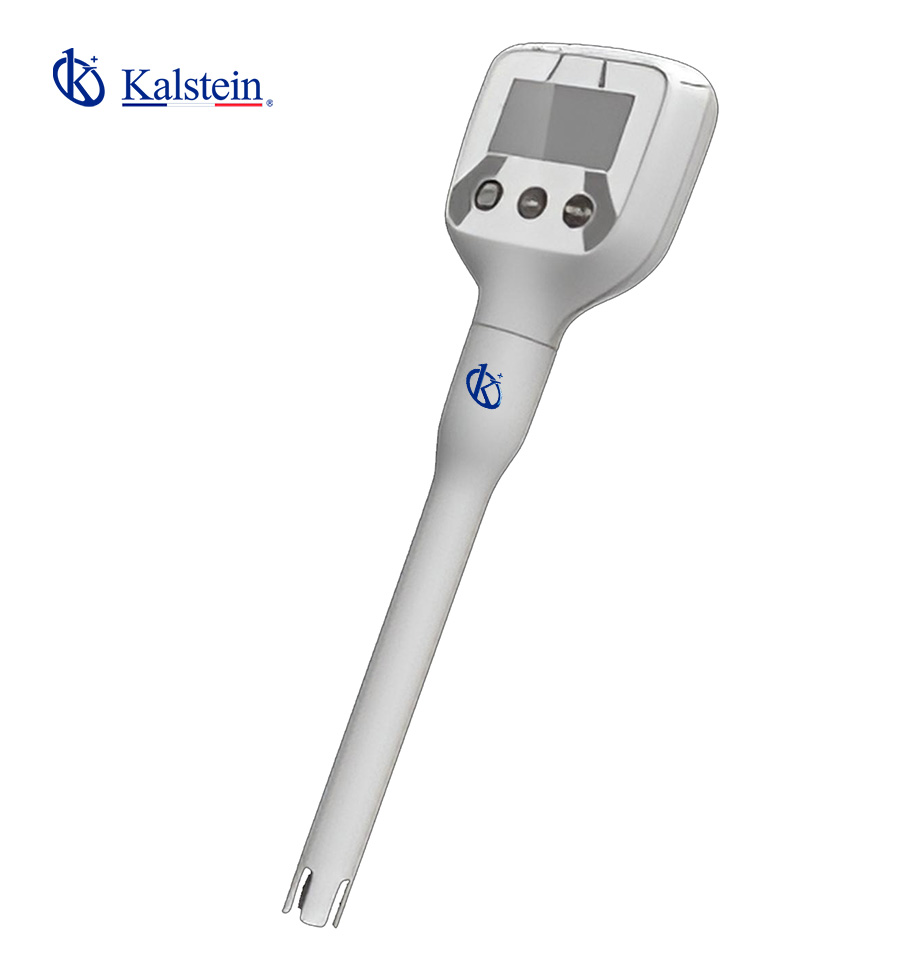
Understanding ISO/IEC Standards and Regulatory Compliance in Portable Conductivity Meters
The importance of ISO/IEC standards in laboratory environments cannot be understated, especially in the context of portable conductivity meters. These standards ensure that devices operate reliably and within specified limits, thereby supporting consistent accuracy in measurements across various applications. In this article, we will explore how different models of portable conductivity meters align with ISO/IEC regulations, focusing on compliance, traceability, and performance reliability.
ISO/IEC Compliance in Portable Conductivity Meters
ISO/IEC standards serve as a framework that laboratories can use to ensure their equipment meets international expectations for quality and best practices. Specifically, ISO 17025 outlines the requirements for laboratory competence, including testing and calibration activities. This is crucial for portable conductivity meters which are often used in field applications where consistent performance must be guaranteed.
Models such as the Pocket Conductivity Meter YR01805 provide automatic calibration and functions that support compliance with ISO standards. By incorporating reliable features such as IP57 waterproof rating and replaceable electrodes, the YR01805 enhances both durability and accuracy, meeting the regulatory compliance necessary for laboratory operations. This model is particularly suited for environments requiring high mobility without compromising on measurement integrity.
Key ISO/IEC Standards Relevant to Portable Conductivity Meters
Understanding the key ISO/IEC standards is vital for laboratory professionals in selecting the right portable conductivity meter. Below are the primary standards relevant to this category:
- ISO 17025: Pertains to the competence of testing and calibration laboratories, emphasizing the need for accuracy in results.
- IEC 61010: Addresses safety requirements for electrical equipment, critical for portable devices used in various environments.
- ISO 9001: While broader, it establishes a framework for quality management that applies to all laboratory operations including measurement devices.
Comparison of Available Models
| Model | ISO/IEC Clauses Covered | Traceability Features | Best For |
|---|---|---|---|
| YR01805 | ISO 17025 | Automatic Calibration | Field Use |
| YR01806 | ISO 17025, IEC 61010 | Data Storage, Automatic Calibration | Laboratories with Multiple Measurements |
| YR01808 | ISO 17025 | 1 to 3 Point Calibration | General Purpose, Low to High Ranges |
| YR01809 | ISO 17025 | Automatic Recognition of Standards | Advanced TDS Measurements |
| YR01810 | ISO 17025, IEC 61010 | Dual Screen, Multi-parameter Calibration | Comprehensive Laboratory Analysis |
| YR01811 | ISO 17025 | 1 Point Calibration | Low Concentration Liquids |
Calibration and Traceability in Compliance
Calibration is a critical aspect of ensuring compliance with ISO/IEC standards. Each model of portable conductivity meter has distinct calibration protocols that align with these standards. For instance, the YR01806 supports 1 to 3 point calibration, allowing for precise adjustments based on specific standards.
The traceability features of these meters—like the automatic recognition capabilities in the YR01809—ensure that measurements are not only accurate but also compliant with established norms. This traceability is vital for maintaining high-quality standards in laboratories and ensuring that all results can be validated against national and international standards.
Documentation and Audit Trails for Compliance
Documentation is another essential component of regulatory compliance. Laboratories must maintain an audit trail that includes calibration records, maintenance logs, and performance validations for each portable conductivity meter in use. This is a requirement under ISO 17025, which mandates proper documentation practices to support the integrity and reliability of test results.
Using models like the YR01808 that support extensive data storage capabilities can simplify the process of maintaining these records. With automatic storage of calibration data, laboratories can easily access and provide records during compliance audits, ensuring that they meet regulatory standards without extensive manual tracking.
Common Mistakes and How to Avoid Them
In the pursuit of compliance with ISO/IEC standards, laboratories often encounter common pitfalls. One major mistake is inadequate training on the correct use of portable conductivity meters. Ensuring that all personnel are well-trained in the operation of devices like the YR01810 will enhance measurement accuracy and reliability.
Another frequent oversight is neglecting regular calibration and maintenance schedules. Laboratories should implement a strict schedule for calibrating devices to uphold compliance with ISO 17025. For instance, using a model like the YR01811, which emphasizes easy calibration, can help maintain compliance effortlessly.
Frequently Asked Questions
What are the benefits of ISO 17025 compliance for portable conductivity meters?
ISO 17025 compliance ensures that portable conductivity meters, such as the YR01805, operate under internationally recognized benchmarks for accuracy and reliability. This compliance helps laboratories gain trust in their results, supporting better decision-making in various applications.
How can I ensure my portable conductivity meter meets IEC 61010 standards?
To ensure your portable conductivity meter meets IEC 61010 standards, select models like the YR01806, which are specifically designed with safety features to comply with electrical safety requirements. Regular safety audits and checks can further support compliance.
Which models offer the best traceability features for compliance documentation?
Models such as the YR01809 provide excellent traceability features, including automatic calibration recognition. These features simplify compliance documentation, ensuring that all measurements can be verified against recognized standards for portable conductivity meters.
What maintenance schedule should I follow for my portable conductivity meter?
A recommended maintenance schedule involves quarterly calibration for devices like the YR01810, particularly if used regularly. This helps maintain compliance with ISO 17025 and ensures accurate results in laboratory settings.
How do different models affect the cost of compliance with ISO standards?
The choice of model can significantly impact compliance costs. For example, the YR01806 offers advanced features that may reduce overall operational costs by minimizing errors, while simpler models like the YR01811 may have lower upfront costs but require more frequent calibration.
How important is the calibration range for regulatory compliance?
The calibration range is critical for regulatory compliance, as it determines the accuracy and reliability of measurements. Models like the YR01808, which support multiple calibration points, provide flexibility that helps meet the diverse needs of various applications while ensuring compliance.
What role does automatic calibration play in compliance for portable conductivity meters?
Automatic calibration, as seen in models like the YR01806, plays a vital role in ensuring compliance by simplifying the calibration process and reducing human error, thus contributing to more accurate and reliable measurements that fulfill ISO standards.
How can I integrate a portable conductivity meter into my laboratory’s LIMS?
To integrate a portable conductivity meter like the YR01810 into your LIMS, ensure it supports the necessary connectivity protocols, such as HL7 or ASTM. This will facilitate seamless data transfer and compliance with documentation standards.
If you are looking for a fusion of innovation and quality, you have come to the right place. At Kalstein, we offer you the luxury of exploring our exclusive catalog of laboratory equipment. We manufacture every device to the highest standards of excellence. Our intuitive and seamless online purchasing channels are designed for your convenience, securing the most competitive prices. Hesitate no longer — we bring science to life, it is time to become part of our community.