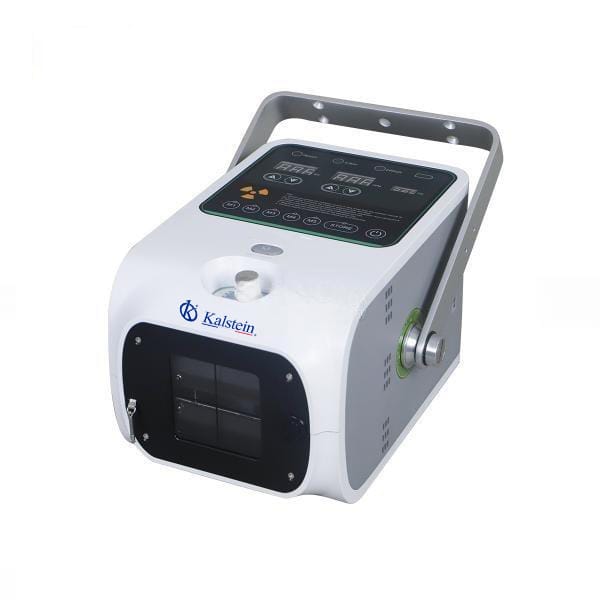
Understanding Measurements and Results Interpretation with the YR06161 Digital Portable X-ray System
The YR06161 Digital Portable X-ray System represents a significant advancement in veterinary imaging, especially for equine applications. This article aims to delve into the crucial aspect of interpreting measurements and results generated by this model. Understanding these measurements is vital for accurate diagnosis and effective treatment planning, thereby enhancing the overall quality of care provided to equine patients.
Technical Specifications of YR06161
| Specification | Details |
|---|---|
| Model | YR06161 |
| Power Supply | AC 220V/110V ±10% 50/60 Hz |
| Power (kW) | 1.6 |
| kV | 50 ~ 90 |
| mAs | 20 |
| mA | 20 |
| SID Measurement | Ultrasonic |
| Light Source On Time (sec) | 30 |
| Communication | RS232/Bluetooth |
| Exposure | Hand Switch/315M |
| Weight (kg) | 7 |
| Focal Spot Sizes Tube (mm) | 1.2 |
| Target Angle Tube | 16° |
Understanding Measurement Units and Their Importance
The YR06161 utilizes various measurement units essential for accurate imaging. Key units include kilovolts (kV), milliamperes (mA), and milliampere-seconds (mAs). Each unit plays a critical role in determining the quality of the X-ray image produced.
Kilovolts (kV): This unit represents the voltage applied to the X-ray tube. A higher kV will penetrate tissues more effectively, which is crucial when capturing images of larger equine structures. However, excessive kV can lead to overexposure, resulting in poor image quality.
Milliamperes (mA): This unit measures the current passing through the X-ray tube during exposure. Higher mA values increase the number of X-ray photons produced, improving image brightness and quality. Yet, this must be balanced with exposure time to avoid motion blur.
Milliampere-seconds (mAs): This is a product of mA and exposure time, representing the total amount of radiation used during the imaging process. The appropriate mAs setting is crucial for obtaining optimal image contrast while minimizing radiation exposure to the equine subject.
Common Measurements and Their Interpretation
When interpreting results from the YR06161, technicians should focus on several key parameters. These include image density, contrast, and artifacts that may appear in the X-ray images.
Image Density: This refers to the degree of blackening on the X-ray film. A well-exposed image will display the appropriate density, allowing for clear differentiation between various tissues. Underexposure results in lighter images, while overexposure leads to excessively dark images that obscure detail.
Contrast: Contrast determines the visibility of structures within the image. High contrast images are crucial for identifying conditions such as fractures or tumors. Adjusting kV and mAs can help achieve the desired contrast level.
Artifacts: These are unintended anomalies appearing in the X-ray image, possibly caused by equipment malfunction, patient movement, or improper settings. Recognizing these artifacts is essential for accurate diagnosis, requiring technicians to understand their origins and how to mitigate them.
Implementing Best Practices for Accurate Measurements
To ensure accurate measurements and reliable results when using the YR06161, operators should follow specific best practices:
- Regular calibration of the equipment to maintain accuracy.
- Consistent training for operators to familiarize them with the equipment and measurement protocols.
- Ensuring proper positioning of equine patients during imaging to minimize motion and achieve optimal results.
- Routine maintenance checks to identify and fix any potential issues before they compromise image quality.
Troubleshooting Measurement Issues
Even with careful operation, issues may arise that affect measurement accuracy. Here are common symptoms, their probable causes, and solutions:
| Symptom | Probable Cause | Solution |
|---|---|---|
| Image appears too dark | Overexposure (high kV/mAs) | Reduce kV/mAs settings and re-image |
| Image appears too light | Underexposure (low mA) | Increase mA and re-image |
| Motion blur present | Patient movement | Ensure proper positioning and immobilization before re-imaging |
| Unwanted artifacts visible | Incorrect positioning or equipment malfunction | Check equipment and reposition the patient |
Frequently Asked Questions
What are the key factors to consider when interpreting X-ray results from the YR06161?
Key factors include understanding the influence of kV, mA, and mAs on image quality, as well as recognizing artifacts and ensuring correct exposure settings for accurate results.
How can I improve the accuracy of measurements obtained with the YR06161?
Improving accuracy involves regular calibration, following best practices for patient positioning, and maintaining consistent training for operators.
What should I do if I encounter artifacts in my X-ray images?
If artifacts appear, it's crucial to identify their source, which could be due to equipment issues or patient movement, and take steps to mitigate them during the imaging process.
How does the choice of kV affect the imaging outcome?
The choice of kV affects tissue penetration; higher values improve penetration but may also lead to overexposure if not carefully managed.
What maintenance practices are recommended for the YR06161 to ensure accurate measurements?
Regular cleaning, calibration, and functional checks are essential maintenance practices to ensure the YR06161 operates at optimal accuracy.
Can the YR06161 be used outdoors, and how does this affect results?
The YR06161 is designed for outdoor use, but environmental factors such as lighting and temperature should be considered as they can influence image quality.
Conclusion
Interpreting measurements from the YR06161 Digital Portable X-ray System requires a thorough understanding of the underlying principles and operational best practices. By focusing on the correct application of measurements, veterinary technicians can significantly enhance diagnostic accuracy, leading to better treatment outcomes for equine patients.
If you are looking for a fusion of innovation and quality, you have come to the right place. At Kalstein, we offer you the luxury of exploring our exclusive catalog of laboratory equipment. We manufacture every device to the highest standards of excellence. Our intuitive and seamless online purchasing channels are designed for your convenience, securing the most competitive prices. Hesitate no longer — we bring science to life, it is time to become part of our community.