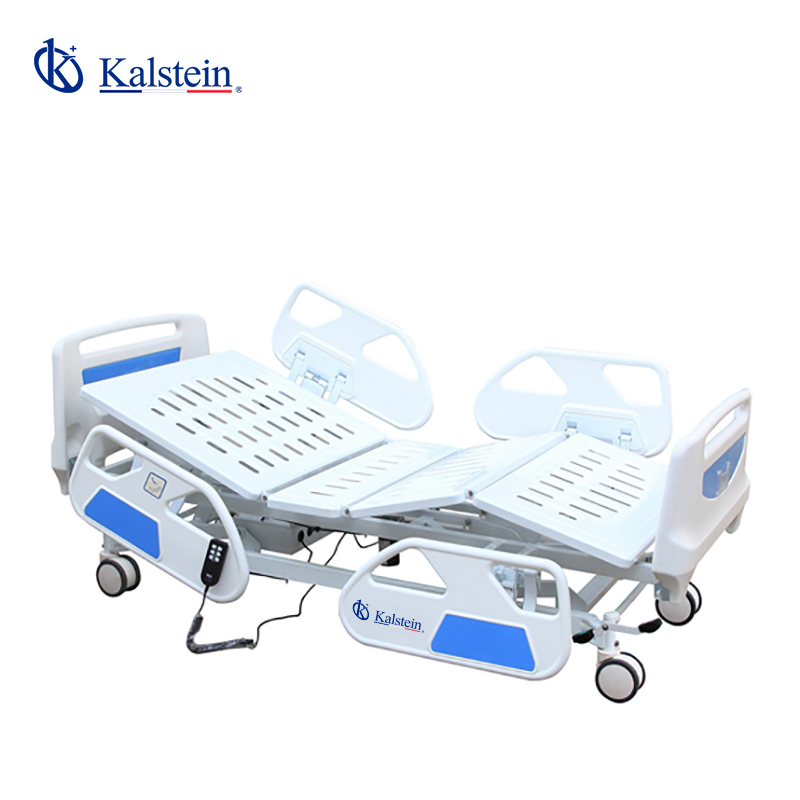
Understanding Measurements and Results Interpretation for the YR06261 Hospital Bed
The YR06261 Hospital Bed is an essential piece of equipment in a clinical setting, designed to enhance patient comfort and ease of use for healthcare professionals. Understanding how to interpret the measurements and results associated with this hospital bed can significantly impact patient care and operational efficiency. This article delves into the key features of the YR06261, providing a comprehensive guide to its specifications, functionalities, and effective usage.
Technical Specifications of the YR06261
| Model | YR06261 |
|---|---|
| Overall Size (L*W*H) | 2160*1060*435-765mm |
| Backrest Function | 0-75° |
| Legrest Function | 0-45° |
| Height Adjustable | 500-780mm |
| Back Section Up/Down | 75°±10° |
| Knee Section Up/Down | 35°±10° |
| Hi-low Function | 435-760mm |
Interpreting Measurements of the YR06261 Hospital Bed
Understanding the various measurements associated with the YR06261 is crucial for effective operation and patient management. The bed's height adjustment feature allows caregivers to easily transition patients in and out of the bed. Accurate reading of the height settings is vital for ensuring safety during transfers.
The angle settings for the backrest and legrest are significant in patient comfort and recovery. For instance, setting the backrest at a 30° angle may ease breathing in patients with respiratory issues, while a 45° legrest angle can help improve circulation. Caregivers must familiarize themselves with these angles and their implications on patient health.
Common Misinterpretations of Measurements
Misinterpretation of the YR06261's measurements can lead to adverse patient outcomes. One common error is misreading the height adjustment range. Failing to adjust the bed to the correct height can pose risks during patient transfers, increasing the likelihood of falls.
Additionally, caregivers may overlook the significance of the backrest and legrest functions. Not adjusting these accurately can lead to discomfort or exacerbate certain medical conditions. Regular training on interpreting these measurements correctly is essential for healthcare staff.
Use Cases and Recommended Protocols
The YR06261 hospital bed is versatile and can be adapted for various healthcare settings, including surgical recovery, long-term care, and rehabilitation. In surgical recovery, for example, the backrest can be adjusted to promote optimal respiratory function post-operation.
In long-term care, incorporating regular assessments of the bed's measurements and adjustments can prevent complications related to immobility. Staff should routinely check the bed settings and make necessary adjustments to accommodate the patient's needs.
Support and Maintenance for the YR06261
Proper maintenance of the YR06261 is necessary to ensure longevity and functionality. Regular checks on the motorized functions, including the height and angle adjustments, are crucial. Any discrepancies should be addressed promptly to avoid further complications.
Careful documentation of bed settings can also aid in monitoring patient comfort over time. Establishing a routine for documenting adjustments will help maintain consistency in patient care.
Frequently Asked Questions
What are the key features of the YR06261 Hospital Bed?
The YR06261 Hospital Bed features a robust steel frame, adjustable height settings, a backrest with up to 75° inclination, and a legrest that can be positioned at 45°. These features enhance patient comfort and ease of access for healthcare providers.
How can I ensure accurate height adjustments for the YR06261?
To ensure accurate height adjustments, familiarize yourself with the height range (500-780mm) and make gradual adjustments using the motorized controls. Always check that the bed is stable before transferring a patient.
What protocols should I follow for the proper use of the backrest and legrest functions?
Always assess the patient's condition before adjusting the backrest and legrest. Use the angles of 30° for respiratory relief and 45° for circulation improvement as starting points. Regularly consult with medical staff to adjust settings according to the patient's recovery progress.
What are the potential risks of incorrect bed settings?
Incorrect bed settings can lead to discomfort, falls, and further medical complications. It is essential to be vigilant in checking and adjusting settings according to patient needs to mitigate these risks.
How often should the YR06261 be maintained?
Routine maintenance should be conducted monthly, with immediate inspections following any incident that may affect the bed's functionality. Regular checks on motorized functions and mechanical components are crucial.
Request a Quote
If you are looking for a fusion of innovation and quality, you have come to the right place. At Kalstein, we offer you the luxury of exploring our exclusive catalog of laboratory equipment. We manufacture every device to the highest standards of excellence. Our intuitive and seamless online purchasing channels are designed for your convenience, securing the most competitive prices. Hesitate no longer — we bring science to life, it is time to become part of our community.