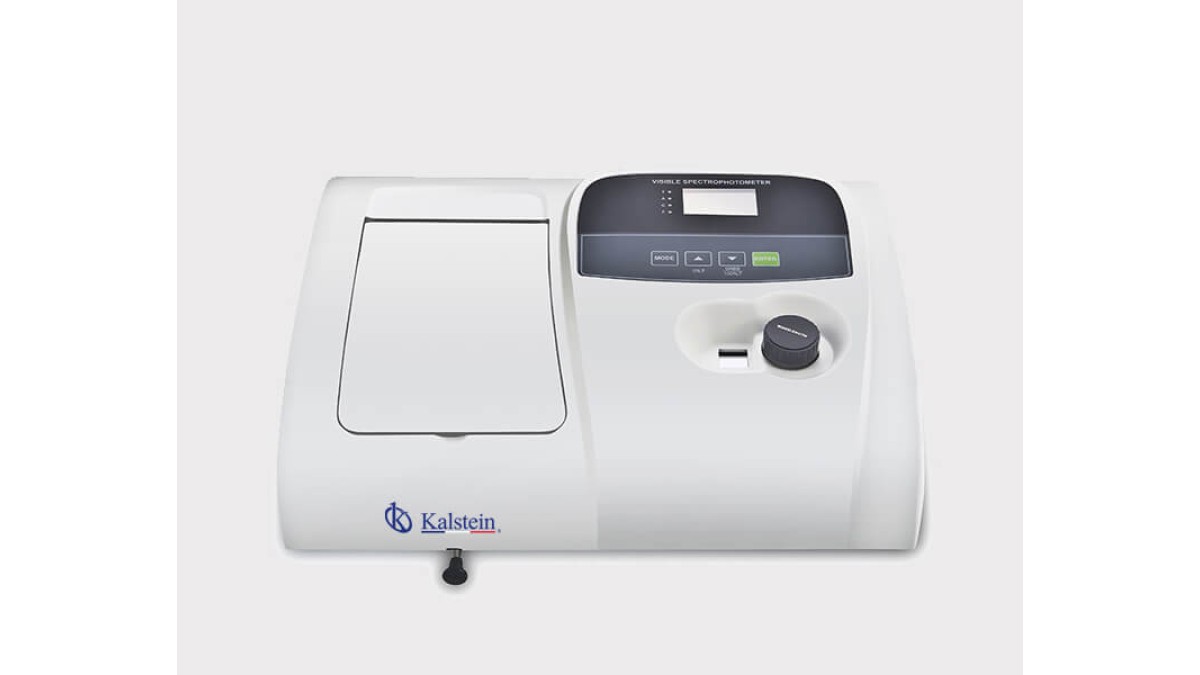
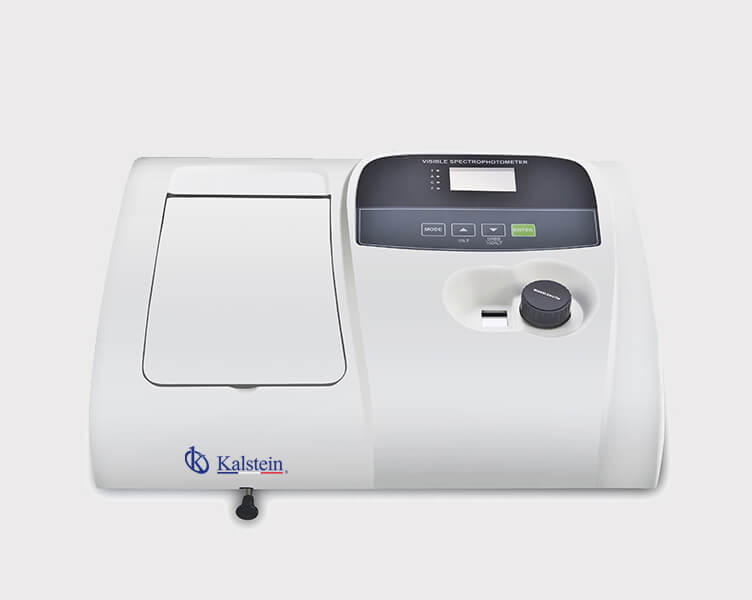
Unique Beam Spectrophotometers: Practical Applications and Techniques 2026
What is it used for in 2026
Unique beam spectrophotometers are essential instruments in laboratories for measuring the intensity of light as a function of its wavelength. In 2026, their applications span various fields, including environmental testing, pharmaceuticals, food and beverage quality control, and clinical diagnostics. These instruments help determine the concentration of substances in different samples by analyzing their absorbance or transmittance at specific wavelengths.
History and evolution of the technology
The evolution of spectrophotometry can be traced back to the early 19th century, but it has significantly advanced over the decades. Initially, spectrophotometers were rudimentary, relying on manual adjustments and basic optics. With the advent of microprocessors, the development of unique beam spectrophotometers revolutionized the field, enabling automated processes, enhanced precision, and user-friendly interfaces. In 2026, these spectrophotometers have become more compact, versatile, and accurate, integrating advanced digital technologies.
How to use it step by step
Using a unique beam spectrophotometer involves several key steps:
- Preparation: Ensure that the spectrophotometer is calibrated and clean. Prepare your samples and standards.
- Power on: Turn on the device and allow it to stabilize according to the manufacturer's instructions.
- Set the wavelength: Select the appropriate wavelength for your analysis using the controls.
- Zero the instrument: Perform an Auto Zero adjustment to eliminate background noise.
- Measure standards: Analyze standard solutions to create a calibration curve.
- Analyze samples: Introduce your sample and take the readings, ensuring to document the results.
- Data analysis: Use the software provided to analyze the data and draw conclusions.
Best techniques and protocols
Best practices for using unique beam spectrophotometers in 2026 include:
- Always use high-quality cuvettes to minimize errors in readings.
- Ensure that samples are free of bubbles and contaminants before measurement.
- Regularly calibrate the device using known standards to maintain accuracy.
- Perform duplicate or triplicate measurements for consistency.
- Utilize software for data analysis to automate calculations and reduce human error.
Practical applications by laboratory type
Applications of unique beam spectrophotometers vary across different laboratory types:
- Clinical Laboratories: Used for determining blood glucose levels, drug concentrations, and other biomarkers.
- Environmental Laboratories: Measure pollutants in water and air samples to ensure compliance with environmental regulations.
- Food and Beverage Laboratories: Analyze color and concentration of dyes, flavors, and preservatives in products.
- Pharmaceutical Laboratories: Assess the purity and concentration of active ingredients in drugs.
Regulations, standards and certifications
Unique beam spectrophotometers must comply with various regulations and standards, including:
- ISO/IEC 17025 for laboratory accreditation to ensure quality management.
- FDA regulations for clinical and pharmaceutical applications.
- Good Laboratory Practice (GLP) guidelines to ensure reliability and reproducibility of results.
Comparison with alternative technologies
When compared to alternative technologies such as multi-beam spectrophotometers or other analytical methods like chromatography, unique beam spectrophotometers are often preferred for their simplicity, cost-effectiveness, and reliability in measuring absorbance. They are especially useful in applications where quick and straightforward analysis is required.
Comparison of available models
| Model | Best for | Key specs | Recommended use case |
|---|---|---|---|
| YR01844 | General laboratory use | Wavelength range: 325-1000nm, ±0.5% T accuracy | Suitable for routine tests in clinical and environmental labs. |
| YR01845 | Standard curves and data analysis | Wavelength range: 325-1000nm, LCD screen | Ideal for laboratories requiring clear data presentation. |
| YR01846 | Precision and automatic adjustments | Wavelength range: 320-1100nm, ±0.5nm accuracy | Recommended for applications where precise measurements are critical. |
| YR01847 | High-resolution measurements | Wavelength range: 320-1100nm, ±0.2% T accuracy | Best for research laboratories requiring high accuracy. |
| YR01850 | UV analysis | Wavelength range: 190-1000nm, deuterium lamp | Used in industries where UV absorption measurement is crucial. |
| YR01853 | Comprehensive UV-VIS analysis | Wavelength range: 190-1100nm, ±0.5nm accuracy | Suitable for advanced analytical applications across various fields. |
Common mistakes and how to avoid them
Common mistakes when using unique beam spectrophotometers include:
- Improper calibration: Always calibrate before use to ensure accurate readings.
- Incorrect sample preparation: Ensure samples are prepared according to protocols to avoid errors.
- Neglecting maintenance: Regular maintenance and cleaning of cuvettes and the instrument are vital.
- Ignoring environmental conditions: Ensure that temperature and humidity are controlled during measurement.
Maintenance, calibration and good practices 2026
To maintain optimal performance, follow these guidelines:
- Perform routine calibration using standard solutions at least once a month.
- Clean the optical components regularly to avoid contamination.
- Store the instrument in a controlled environment to prevent damage and deterioration.
- Document all maintenance activities to keep track of the instrument’s performance history.
Cost-benefit analysis 2026
In 2026, unique beam spectrophotometers offer a favorable cost-benefit ratio. The initial investment is often offset by their reliability, ease of use, and reduced need for extensive sample preparation. Laboratories can expect a quick return on investment through increased efficiency and accuracy in analyses.
Frequently asked questions
What should I consider when choosing a unique beam spectrophotometer?
When choosing a unique beam spectrophotometer, consider factors such as the wavelength range, accuracy, ease of use, and compatibility with software for data analysis. Additionally, look for models that meet your specific laboratory requirements and regulatory standards.
How do I calibrate a unique beam spectrophotometer?
Calibration typically involves measuring the absorbance of standard solutions at specific wavelengths and adjusting the instrument settings accordingly. Follow the manufacturer’s guidelines for precise calibration procedures.
What types of samples can I analyze with a unique beam spectrophotometer?
You can analyze various types of samples, including liquids and solids, as long as they can be prepared in a manner that allows light to pass through them. Common sample types include biological fluids, chemical solutions, and food products.
How often should I perform maintenance on my spectrophotometer?
Routine maintenance should be performed regularly, ideally once a month, or more frequently depending on usage. This includes cleaning optical components, recalibrating, and ensuring that all software and firmware are up to date.
What are the advantages of using a unique beam spectrophotometer over other types?
Unique beam spectrophotometers are generally more user-friendly, cost-effective, and simpler in design than multi-beam models. They are ideal for routine analyses where quick results are needed without complex setups.
Can I connect a unique beam spectrophotometer to a computer?
Yes, many modern unique beam spectrophotometers feature USB ports that allow connection to a computer for data analysis, storage, and reporting, streamlining laboratory workflows.
Where can I request a quote for purchasing a unique beam spectrophotometer?
You can request a quote for purchasing a unique beam spectrophotometer through our dedicated platform, where expert assistance is available to help you select the right model for your needs.
If you are looking for a fusion of innovation and quality, you have come to the right place. At Kalstein, we offer you the luxury of exploring our exclusive catalog of laboratory equipment. We manufacture every device to the highest standards of excellence. Our intuitive and seamless online purchasing channels are designed for your convenience, securing the most competitive prices. Hesitate no longer — we bring science to life, it is time to become part of our community.