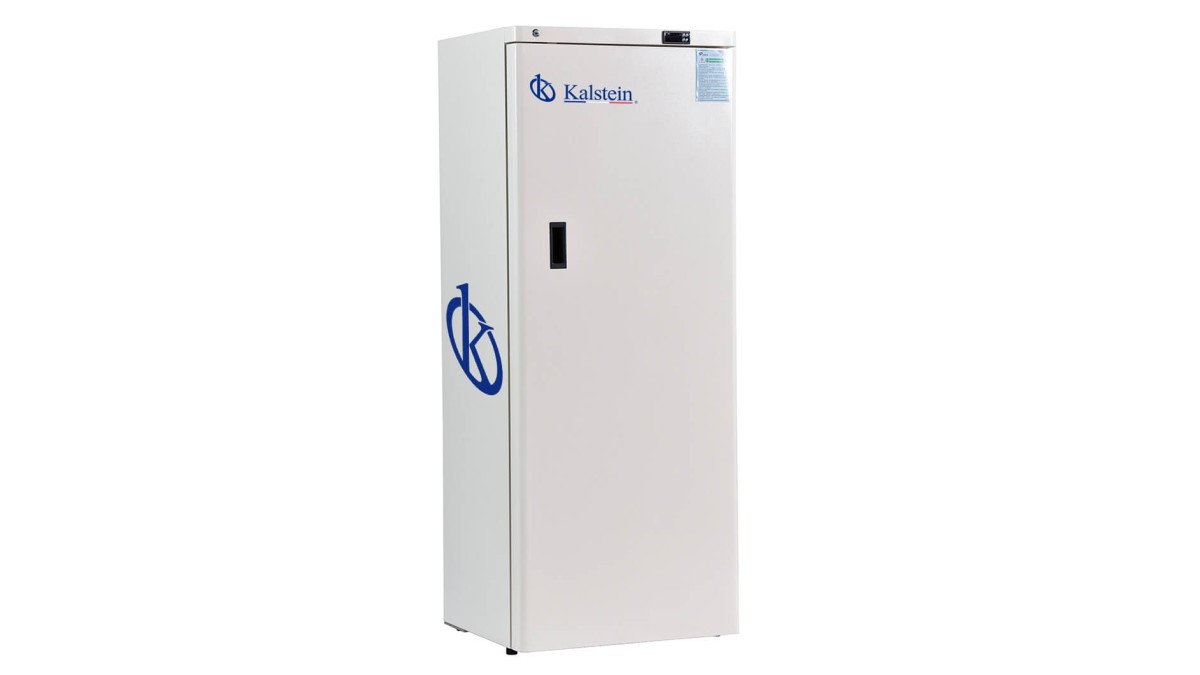
Upright Freezers: Best Techniques and Protocols in 2026
Upright freezers serve a critical function in laboratory settings, providing essential temperature-controlled environments for the storage of biological materials and sensitive samples. In 2026, the advancements in these freezers highlight the importance of effective usage, maintenance, and compliance with industry standards. This article serves as a comprehensive guide for laboratory professionals who aim to master the utilization of upright freezers.
What is it used for in 2026
Upright freezers in 2026 are primarily utilized for storing biological samples, including vaccines, blood plasma, and various reagents. Their precise temperature control capabilities allow for the long-term preservation of materials that require stable and ultra-low temperatures. Laboratories across medical, research, and educational fields rely on upright freezers to ensure that their critical samples remain viable and uncontaminated.
History and evolution of the technology
The evolution of upright freezers began in the early 20th century, initially designed for household use. As scientific research progressed, the demand for specialized refrigeration solutions grew. The late 20th and early 21st centuries saw innovations such as microprocessor controls, enhanced insulation materials, and eco-friendly refrigerants, leading to the sophisticated models available today, such as the YR05097, YR05297, YR05296, and others. These advancements have greatly improved energy efficiency and reliability.
How to use it step by step
- Preparation: Ensure that the freezer is properly installed and leveled. Verify that the power supply meets the required specifications.
- Temperature Setting: Using the digital control panel, set the desired temperature based on the storage requirements of your samples.
- Loading Samples: Organize samples in appropriate containers and load them into the freezer, allowing enough space for air circulation.
- Monitoring: Regularly check the temperature readings and alarm settings. Ensure alarms are functional to signal any abnormalities.
- Maintenance: Perform routine maintenance checks to ensure the proper functioning of the freezer and its components.
Best techniques and protocols
To maximize the effectiveness of upright freezers, laboratories should implement the following best practices:
- Regularly calibrate temperature sensors for accuracy.
- Maintain an organized inventory system for sample tracking and retrieval.
- Utilize backup power solutions to prevent loss of samples during power outages.
- Establish a maintenance schedule that includes cleaning and inspection of seals and door mechanisms.
Practical applications by laboratory type
Different types of laboratories have specific applications for upright freezers:
- Research Labs: Store genetic material, enzyme preparations, and other biological samples.
- Clinical Labs: Maintain vaccines, blood products, and diagnostic reagents at required temperatures.
- Pharmaceutical Labs: Preserve drug compounds and biologics that require strict temperature control.
Regulations, standards and certifications
Upright freezers must comply with a range of regulations and standards, including those set by the FDA and other governing bodies. Certification for energy efficiency (such as ENERGY STAR) and safety standards (such as UL or CE) is critical for ensuring the reliability of equipment in laboratory settings. Laboratories should stay updated on compliance requirements to avoid potential legal and operational issues.
Comparison with alternative technologies
While upright freezers are a popular choice, other technologies also serve similar purposes:
- Chest Freezers: Offer larger storage capacity but may have less accessible designs.
- Liquid Nitrogen Freezers: Provide ultra-low temperatures suitable for long-term storage but require specialized handling and safety protocols.
- Refrigerators with Freezer Compartments: Suitable for temporary storage but lack the temperature stability of dedicated upright freezers.
Comparison of available models
| Model | Best for | Key specs | Recommended use case |
|---|---|---|---|
| YR05097 | General laboratory use | -10C ~ -25C, 180W, 46db | Store reagents, biological samples |
| YR05297 | Ultra-low temperature storage | -40 ~ -86C, 870W, 50db | Preserve sensitive biological materials |
| YR05296 | Biomedical applications | -40 ~ -86C, 810W, 52db | Long-term storage of biological specimens |
| YR05295 | Hospital use | -10 ~ -25C, 2 compressors, 3400.00 | Store blood plasma and vaccines |
| YR05294 | Laboratory research | -10 ~ -25C, R290 refrigerant, 1030.00 | Maintain biological samples and vaccines |
| YR05293 | Biomedical research | -10 ~ -25C, 268L capacity, 840.00 | Store laboratory samples in controlled conditions |
Common mistakes and how to avoid them
Laboratory personnel often make several mistakes when using upright freezers:
- Overloading the freezer: Avoid exceeding the recommended storage capacity to maintain temperature efficiency.
- Ignoring alarms: Regularly check alarm systems and ensure that they are functioning properly to prevent sample loss.
- Inconsistent temperature monitoring: Schedule frequent checks of the temperature settings and adjust as necessary.
Maintenance, calibration and good practices 2026
Effective maintenance and calibration practices are essential for the longevity of upright freezers:
- Calibrate temperature sensors at least biannually to ensure accuracy.
- Perform routine cleaning of the interior and door seals to prevent contamination.
- Replace filters and inspect compressor systems as per manufacturer guidelines.
Cost-benefit analysis 2026
When investing in upright freezers, laboratories should consider both the initial costs and long-term savings:
- Evaluate energy consumption against usage to determine operational costs.
- Consider the potential loss of samples due to equipment failure and how reliable models mitigate this risk.
- Account for maintenance costs and the expected lifespan of the equipment.
Frequently asked questions
What is the best temperature to store biological samples in an upright freezer?
The best temperature for storing biological samples typically ranges from -10°C to -86°C, depending on the specific requirements of the materials being stored.
How often should I calibrate my upright freezer?
It is recommended to calibrate your upright freezer at least twice a year to ensure accurate temperature readings and stability.
Can I store vaccines in any upright freezer?
No, vaccines require specific temperature ranges. It is essential to use an upright freezer designed for medical storage to ensure the integrity of the vaccines.
How can I prevent frost buildup in my upright freezer?
To prevent frost buildup, ensure that the door seals are intact, avoid leaving the door open for extended periods, and consider using models with frost-free capabilities.
What should I do if the temperature alarm goes off?
Immediately check the temperature settings, inspect for any door seal issues, and assess the contents. If the problem persists, consider transferring samples to a backup freezer.
Is it necessary to have a backup freezer?
Yes, having a backup freezer is advisable to prevent loss of precious samples during power outages or equipment failures.
How do I choose the right upright freezer for my laboratory's needs?
Assess your laboratory's specific storage requirements, consider the types of samples you will store, and choose a model that meets the necessary temperature ranges and capacity.
If you are looking for a fusion of innovation and quality, you have come to the right place. At Kalstein, we offer you the luxury of exploring our exclusive catalog of laboratory equipment. We manufacture every device to the highest standards of excellence. Our intuitive and seamless online purchasing channels are designed for your convenience, securing the most competitive prices. Hesitate no longer — we bring science to life, it is time to become part of our community.