Vertical Electric Heating Laboratory YR05201
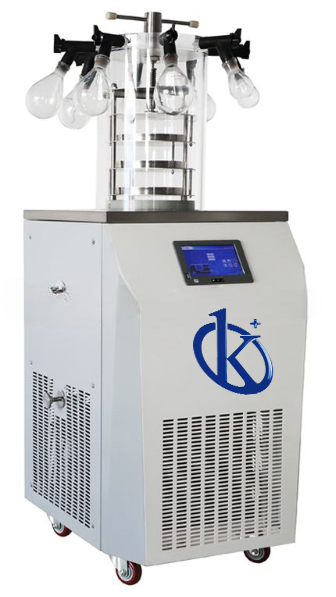
The Vertical Electric Heating Laboratory Freeze Dryer YR05201 combines technical features for laboratory routines, operational continuity and a coherent equipment selection process.
This page provides an overview of the Vertical Electric Heating Laboratory Freeze Dryer YR05201, including selection criteria, investment factors, operational advantages and maintenance recommendations. The aim is to support an informed decision before requesting a quotation.
This Kalstein model is available for laboratories across Latin America, Europe, Africa, the Middle East and Asia, with selection criteria adapted to the diversity of local purchasing, installation and support conditions in each region.
Key factors to consider
Before selecting the Vertical Electric Heating Laboratory Freeze Dryer YR05201, confirm workflow, available space, required accessories and installation conditions. This prevents oversizing the purchase and helps prepare a more accurate quotation.
Its use is oriented to laboratory routines that require observation, control and operational continuity.
Across these markets, evaluation should consider varied local contexts such as international laboratory procurement spanning Latin America, Europe, Africa, the Middle East and Asia and match the product to the real workload of the laboratory in each country.
Market price range
The investment should be evaluated according to configuration, required accessories, installation conditions and available technical support.
The final price may vary according to configuration, accessories, logistics, warranty and territorial availability. Compare the technical sheet with the real laboratory workload before confirming the investment.
Budget comparison varies by country and should include the regulatory requirements specific to each market, the electrical conditions of each region, accessories, logistics and after-sales support.
Value for money
Equipment value depends on operational stability, required accuracy, ease of maintenance and accessory availability.
Value for money should be reviewed together with equipment stability, after-sales support, technical documentation and expected service life. A well-matched selection reduces downtime and improves return on investment.
Advantages and disadvantages
Its use is oriented to laboratory routines that require observation, control and operational continuity.
Main advantages include specialized application, integration with laboratory routines and accessory configuration. Limitations may include installation requirements, user training and preventive maintenance to preserve performance.
Expected lifespan based on use and maintenance
Model YR05198 YR05199 YR05200 YR05201 (current) Lyophilized area 0.18m²/0.27m² 0.09m² 0.18m²/0.27m² 0.09m² Panel material (material thickness 10 mm) 1.8L/2.7L 0.9L 1.8L/2.7L 0.9L Material tray Ф240mm 4/6 layers Ф200mm 3 layers Ф240mm 4/6 layers Ф200mm 3 layers Distance between material plates 70 mm/50 mm 70 mm 70 mm/50 mm 70 mm Storage temperature -40 ~ +60°C Cold trap temperature ≤ 60 ° C (no load), optional ≤ -80 ° C (no load) Water absorption capacity 6 kg/24h Ultimate vacuum ≤ 5pa (no load) Power 1800w Host weight 105 KG Central unit dimensions 630×580×1455mm 630×580×1455mm 630×580×1455mm 630×580×1455mm
Service life depends on usage frequency, cleaning, storage, calibration when applicable and adherence to technical recommendations. A structured maintenance plan helps preserve accuracy, safety and operational continuity.
A support and spare-parts network deployed across Latin America, Europe, Africa, the Middle East and Asia helps preserve service continuity and plan preventive maintenance without extended downtime.
Specifications table for the Vertical Electric Heating Laboratory YR05201
Vertical Electric Heating Laboratory YR05201
Características
- Fijación del proceso de liofilización
- Control de la velocidad de calentamiento con calefacción eléctrica de estante
- Pantalla táctil de 7 pulgadas
- Trampa fría y mesa de operaciones de acero inoxidable
- Un sifón de gran apertura con función de precongelación
- Trampa de frío Desescarche eléctrico
- Conmutación flexible de las unidades de vacío (Pa, mBar, etc.)
- Función de protección de la bomba de vacío con el ajuste de la bomba de vacío para iniciar la temperatura de la trampa de frío.
Especificaciones técnicas
| Model | YR05198 | YR05199 | YR05200 | YR05201 (current) |
| Lyophilized area | 0.18m²/0.27m² | 0.09m² | 0.18m²/0.27m² | 0.09m² |
| Panel material (material thickness 10 mm) | 1.8L/2.7L | 0.9L | 1.8L/2.7L | 0.9L |
| Material tray | Ф240mm 4/6 layers | Ф200mm 3 layers | Ф240mm 4/6 layers | Ф200mm 3 layers |
| Distance between material plates | 70 mm/50 mm | 70 mm | 70 mm/50 mm | 70 mm |
| Storage temperature | -40 ~ +60°C | |||
| Cold trap temperature | ≤ 60 ° C (no load), optional ≤ -80 ° C (no load) | |||
| Water absorption capacity | 6 kg/24h | |||
| Ultimate vacuum | ≤ 5pa (no load) | |||
| Power | 1800w | |||
| Host weight | 105 KG | |||
| Central unit dimensions | 630×580×1455mm | 630×580×1455mm | 630×580×1455mm | 630×580×1455mm |
Frequently Asked Questions about the Vertical Electric Heating Laboratory YR05201
How do I choose the right Vertical Electric Heating Laboratory YR05201 for my laboratory?
Selection should start from workload, critical technical parameters, available space and frequency of use. Kalstein can support the comparison between operational needs, budget and maintenance requirements to avoid choosing equipment that is oversized or insufficient.
What should I review before requesting a quotation?
Review the model, technical specifications, required accessories, electrical conditions, consumables, delivery timing and installation needs. With this information, the quotation can be prepared more accurately and aligned with the laboratory workflow.
Does Kalstein provide guidance for this type of equipment?
Yes. The commercial and technical team can support product evaluation, explain differences between models, answer application questions and advise on preventive maintenance, spare parts and documentation required for a secure purchase.
What maintenance helps extend the equipment lifespan?
Follow the manufacturer manual, perform regular cleaning, verify calibrations or controls when applicable, avoid workload abuse and keep maintenance records. Stable use and preventive routines reduce failures and improve operational continuity.