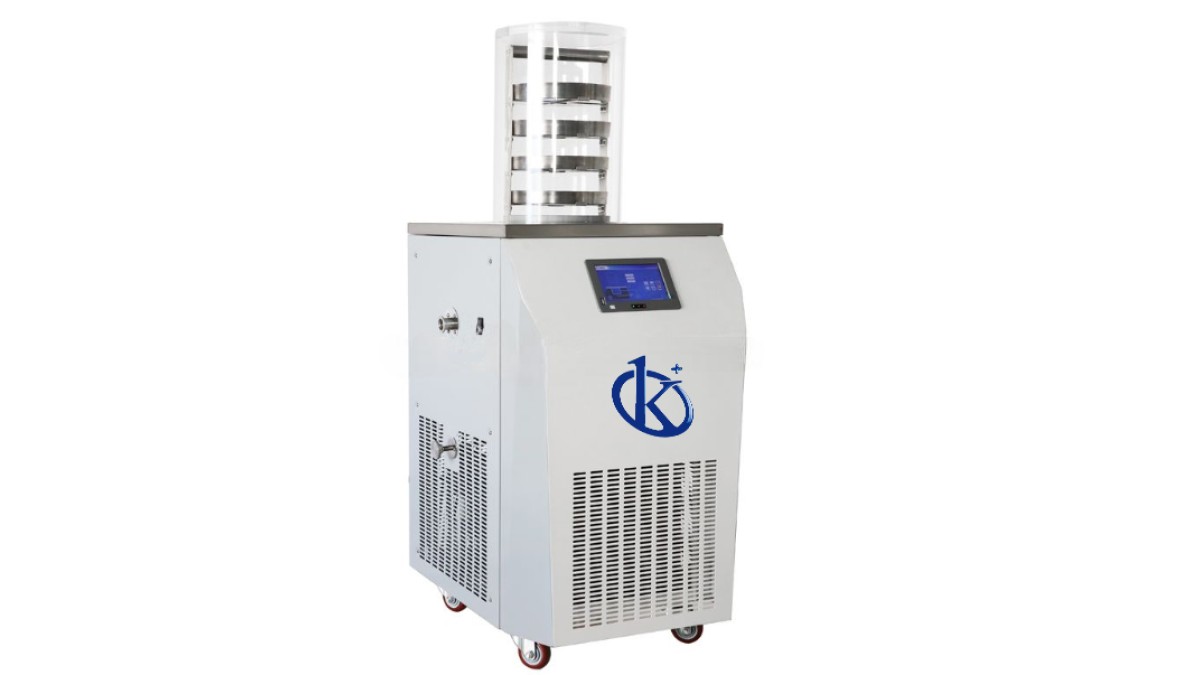
Vertical Laboratory Freeze Dryers: A Step-by-Step Practical Guide in 2026
What is it used for in 2026
Vertical laboratory freeze dryers are critical in various industries for preserving biological samples, pharmaceuticals, and food products. In 2026, their applications continue to expand as researchers and manufacturers seek efficient methods to maintain the integrity and shelf life of sensitive materials. These devices use a process called freeze-drying, which involves freezing the material and then reducing the surrounding pressure to allow the frozen water in the material to sublimate directly from the solid phase to the gas phase. This process ensures that the physical and biochemical properties of the samples are preserved.
History and evolution of the technology
The technology of freeze-drying originated during World War II when it was used to preserve blood plasma for medical use. Over the decades, advancements in refrigeration, vacuum technology, and electronic controls have led to the development of modern vertical laboratory freeze dryers. Today's models are equipped with sophisticated features such as programmable controls, enhanced monitoring capabilities, and improved efficiency, making them essential tools in laboratories around the world.
How to use it step by step
Using a vertical laboratory freeze dryer involves several key steps:
- Preparation: Ensure that the freeze dryer is clean and in good working condition. Check all connections and ensure that the vacuum pump is functioning properly.
- Sample Preparation: Place the samples in appropriate containers, ensuring they are suitable for freeze-drying. Avoid overloading the trays.
- Loading: Load the trays into the freeze dryer, ensuring proper airflow around each tray.
- Startup: Set the desired temperature and pressure parameters on the control panel. Start the freeze-drying process.
- Monitoring: Regularly monitor the process through the control interface, checking for any alarms or issues.
- Completion: Once the freeze-drying cycle is complete, carefully unload the samples, taking care to avoid contamination.
- Storage: Store the freeze-dried products in moisture-proof containers to maintain their stability.
Best techniques and protocols
Implementing best practices is crucial for successful freeze-drying. Key techniques include:
- Temperature Control: Maintaining optimal freezing and drying temperatures is essential for preserving product quality.
- Proper Vacuum Pressure: Ensure that the vacuum level is adequate to facilitate sublimation without compromising the sample.
- Controlled Heating: Gradually increase the temperature during the primary drying phase to avoid damaging sensitive materials.
- Monitoring and Documentation: Keep detailed records of each freeze-drying cycle to identify trends and optimize future processes.
Practical applications by laboratory type
Vertical laboratory freeze dryers are versatile and find applications across various laboratory settings:
Pharmaceutical Laboratories:
Used for lyophilizing vaccines, enzymes, and other biologics to ensure long-term stability.
Biotechnology Laboratories:
Essential for preserving cellular structures and biomolecules for research and development.
Food Technology Laboratories:
Utilized for freeze-drying fruits, vegetables, and ready-to-eat meals while maintaining nutritional value.
Environmental Laboratories:
Important for concentrating and preserving soil and water samples for chemical analysis.
Regulations, standards and certifications
In 2026, laboratories must adhere to strict regulations and standards when using freeze dryers. Compliance with Good Manufacturing Practices (GMP) and ISO certifications is essential to ensure product safety and efficacy. Regular audits and inspections ensure that the equipment meets these regulatory requirements, maintaining the integrity of the research and production processes.
Comparison with alternative technologies
While vertical laboratory freeze dryers are highly effective, there are alternative technologies available such as spray drying and air drying. Each method has its advantages and disadvantages:
- Freeze Drying: Preserves the structure and biochemical properties of samples but requires longer processing times.
- Spray Drying: Faster and more economical but may alter the structure and properties of heat-sensitive materials.
- Air Drying: Simple and cost-effective but less effective for preserving sensitive biological products.
Comparison of available models
| Model | Best for | Key specs | Recommended use case |
|---|---|---|---|
| YR05198 | Routine laboratory use | 0.18m²/0.27m², 6 kg/24h | General research and development |
| YR05199 | Small batch processing | 0.09m², 6 kg/24h | Pharmaceutical applications |
| YR05200 | Medium scale production | 0.18m²/0.27m², 6 kg/24h | Biotechnology research |
| YR05201 | Advanced laboratory experiments | 0.09m², 6 kg/24h | Food technology applications |
| YR05985-1 | Fruit and vegetable processing | 0.7m², ≥10 kg/24h | Food preservation |
| YR05985-2 | High capacity processing | 1.04m², ≥15 kg/24h | Food technology and large batches |
Common mistakes and how to avoid them
Laboratory professionals often make mistakes that can affect the outcome of the freeze-drying process:
- Overloading the trays: This can lead to uneven drying. Always follow the recommended load capacity.
- Ignoring temperature controls: Failing to set the correct parameters can damage sensitive samples. Always verify settings before starting.
- Neglecting maintenance: Regularly check and maintain the equipment to ensure optimal performance and avoid breakdowns.
Maintenance, calibration and good practices 2026
Maintaining a vertical laboratory freeze dryer involves several key practices:
- Routine Cleaning: Clean the interior regularly to prevent contamination and buildup of residues.
- Calibration: Perform calibration checks on temperature and pressure sensors to ensure accurate readings.
- Documentation: Keep records of maintenance and calibration activities to assist in audits and compliance.
Cost-benefit analysis 2026
Investing in a vertical freeze dryer can be significant, but the benefits often outweigh the costs. Key considerations include:
- Initial Investment: While the purchase price may be high, the long-term savings from reduced waste and increased product shelf life can be substantial.
- Operational Efficiency: Modern freeze dryers offer improved energy efficiency, reducing utility costs over time.
- Quality Assurance: Ensuring that samples are preserved effectively can enhance product quality and compliance with regulatory standards, leading to better marketability.
Frequently asked questions
What are the key factors to consider when choosing a vertical laboratory freeze dryer?
When selecting a freeze dryer, consider factors such as the size and type of samples you will be processing, the required drying capacity, and whether you need specific features like automatic controls or advanced monitoring capabilities.
How can I ensure optimal performance of my freeze dryer?
Regular maintenance, including cleaning and calibration, is essential to maintain optimal performance. Additionally, following best practices in sample preparation and loading will enhance the efficiency of the drying process.
What are some common challenges faced during freeze-drying?
Common challenges include ensuring uniform freezing, avoiding contamination, and managing the drying cycle effectively to prevent sample damage. Careful monitoring and adherence to protocols can help mitigate these issues.
How do I determine the right temperature settings for my samples?
The right temperature settings depend on the specific materials you are freeze-drying. Consult the manufacturer's guidelines and conduct preliminary tests to optimize the parameters based on your sample types.
Can freeze-drying be used for all types of materials?
While freeze-drying is suitable for many materials, some may not perform well under the process, especially those that are heat-sensitive or contain high fat content. Always evaluate the compatibility of your materials with freeze-drying.
How can I extend the shelf life of freeze-dried products?
To extend shelf life, store freeze-dried products in airtight, moisture-proof containers and keep them in a cool, dark place to prevent exposure to humidity and light.
If you are looking for a fusion of innovation and quality, you have come to the right place. At Kalstein, we offer you the luxury of exploring our exclusive catalog of laboratory equipment. We manufacture every device to the highest standards of excellence. Our intuitive and seamless online purchasing channels are designed for your convenience, securing the most competitive prices. Hesitate no longer — we bring science to life, it is time to become part of our community.