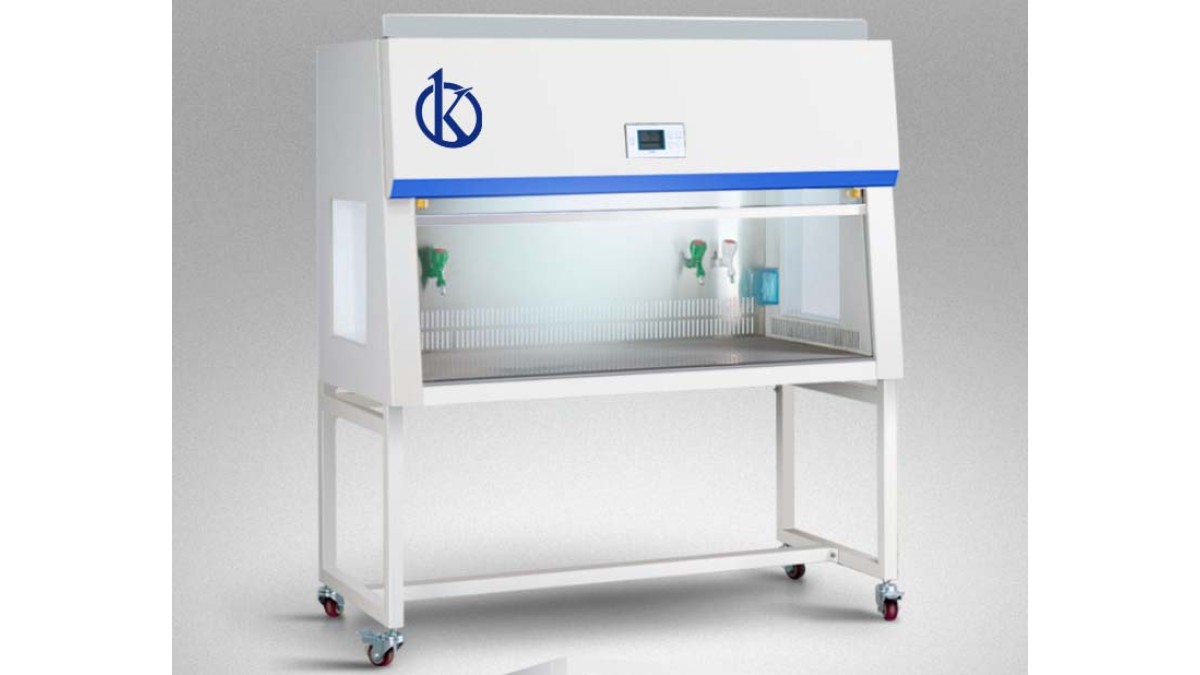
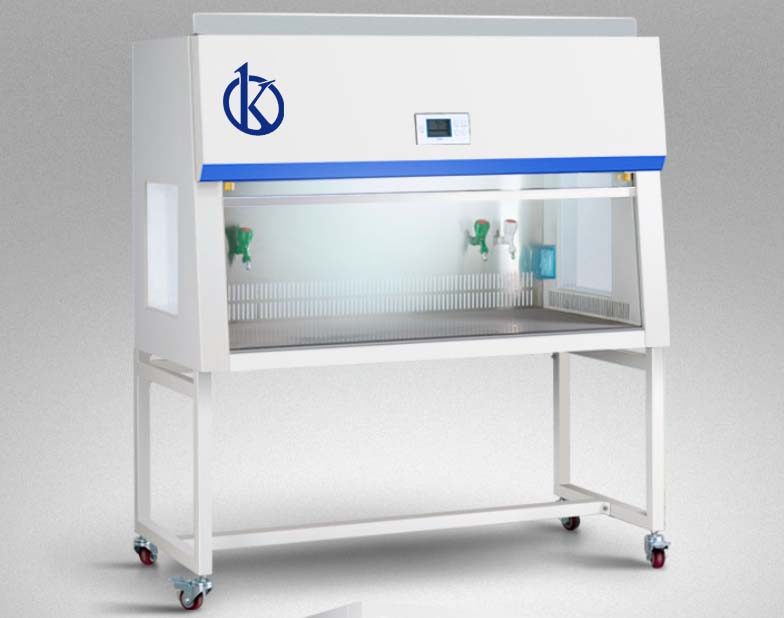
Vertical Laminar Flow Clean Benches: Practical Applications and Techniques 2026
What is it used for in 2026
In 2026, Vertical Laminar Flow Clean Benches are essential in various laboratory environments, providing a sterile workspace for experiments that require protection from contaminants. These clean benches are crucial in fields such as biotechnology, pharmaceuticals, and life sciences, where precision and cleanliness are paramount. They create a controlled air environment that ensures minimal particulate contamination, safeguarding sensitive samples and reagents during handling and analysis.
History and evolution of the technology
The technology behind clean benches has evolved significantly since its inception in the mid-20th century. Originally developed for the semiconductor industry, clean benches have expanded into biological and pharmaceutical applications, adapting to meet stringent safety and contamination control standards. Over the decades, advancements in filtration technology, air circulation systems, and materials have enhanced the efficacy and usability of laminar flow clean benches, leading to their widespread adoption in modern laboratories.
How to use it step by step
Using a Vertical Laminar Flow Clean Bench involves several key steps to ensure maximum efficiency and safety:
- Preparation: Ensure the bench is clean and free from clutter. Wear appropriate personal protective equipment (PPE).
- Power On: Switch on the clean bench and allow it to run for a specified period (usually 15-30 minutes) to establish proper airflow and filtration.
- Material Setup: Place materials to be worked on inside the clean bench using aseptic techniques to avoid introducing contaminants.
- Conduct Work: Perform tasks within the laminar flow zone, avoiding any obstructions to airflow.
- Post-Use Cleaning: After completing your work, clean the interior surfaces with suitable disinfectants and power off the unit.
Best techniques and protocols
To optimize the performance of Vertical Laminar Flow Clean Benches, adhere to the following best practices:
- Regularly check and replace HEPA filters to maintain high air quality.
- Use sterile techniques when placing materials inside the bench.
- Limit movement and avoid blocking airflow to prevent turbulence.
- Ensure the bench is only used for its intended purpose to avoid contamination.
Practical applications by laboratory type
The applications of Vertical Laminar Flow Clean Benches vary depending on the type of laboratory:
- Clinical Laboratories: Used for the preparation of biological specimens and reagents.
- Pharmaceutical Labs: Essential for drug formulation and testing processes.
- Research Institutions: Employed in scientific studies that require sterile conditions for experiments.
- Food and Beverage Testing: Utilized in quality control to prevent contamination of samples.
Regulations, standards and certifications
Vertical Laminar Flow Clean Benches must comply with several regulations and standards, including:
- ISO 14644: Standards for cleanroom environments and controlled contamination.
- US Federal Standard 209E: Classifications for cleanroom cleanliness.
- Good Manufacturing Practices (GMP): Ensures quality in pharmaceutical production and laboratory practices.
Comparison with alternative technologies
When comparing Vertical Laminar Flow Clean Benches with alternatives like Biological Safety Cabinets (BSCs) and fume hoods, key differences include:
- Vertical Laminar Flow Clean Benches: Provide a sterile work environment but do not offer protection against pathogens.
- Biological Safety Cabinets: Protect both the user and the environment from harmful biological agents.
- Fume Hoods: Primarily designed to remove harmful vapors and gases, not strictly for sterile operations.
Comparison of available models
| Model | Best for | Key specs | Recommended use case |
|---|---|---|---|
| YR05267-1 | Biotechnology lab work | ISO 14644.1 Class 5 cleaning, 0.3~0.6 m/s wind speed | Double operator access for multi-user experiments |
| YR05734 | Small scale operations | Class 100 cleanliness, 0.25~0.45 m/s wind speed | Ideal for basic laboratory tasks |
| YR05735 | Compact laboratory settings | Class 100 cleanliness, 0.25~0.45 m/s wind speed | Efficient for routine protocols |
| YR05736 | Advanced laboratory procedures | Class 100 cleanliness, 0.25~0.45 m/s wind speed | Best for sensitive material handling |
| YR05737 | Multi-user laboratory environments | Class 100 cleanliness, 0.25~0.45 m/s wind speed | Effective for collaborative experiments |
| YR05738 | Health and medical applications | Class 100 cleanliness, 0.25-0.45 m/s wind speed | Suitable for medical treatment settings |
Common mistakes and how to avoid them
To ensure the effectiveness of Vertical Laminar Flow Clean Benches, avoid these common mistakes:
- Neglecting regular maintenance and filter replacements.
- Overloading the workspace with materials.
- Failing to allow adequate time for the bench to establish airflow before use.
- Ignoring proper aseptic techniques during material handling.
Maintenance, calibration and good practices 2026
Regular maintenance practices for Vertical Laminar Flow Clean Benches include:
- Monthly examination and replacement of HEPA filters as needed.
- Routine cleaning and disinfecting of all surfaces.
- Calibration checks on airflow and lighting systems periodically.
Cost-benefit analysis 2026
Investing in Vertical Laminar Flow Clean Benches presents several cost benefits:
- Reduction in contamination-related errors leads to higher-quality results.
- Longevity of bench life through proper maintenance saves replacement costs.
- Increased efficiency in laboratory workflows enhances productivity.
Frequently asked questions
What is the primary function of a Vertical Laminar Flow Clean Bench?
The primary function is to provide a sterile environment for laboratory work, minimizing the risk of contamination during procedures.
How often should the HEPA filters be replaced?
HEPA filters should typically be replaced every 6-12 months or as indicated by the manufacturer's guidelines.
Can I use the clean bench for all types of laboratory work?
No, Vertical Laminar Flow Clean Benches are designed for non-hazardous materials and should not be used for work involving pathogens or harmful chemicals.
What are the best practices for setting up a clean bench?
Best practices include keeping the bench uncluttered, using aseptic techniques, and avoiding blocking airflow during use.
Is a clean bench the same as a fume hood?
No, a clean bench is designed for sterile environments, while a fume hood is used for ventilating hazardous vapors and chemicals.
How do I ensure the clean bench is functioning correctly?
Regular maintenance, including filter changes and airflow checks, is essential to ensure optimal functionality.
Where can I request a quote for a Vertical Laminar Flow Clean Bench?
You can request a quote on Kalstein Plus to explore competitive pricing and options tailored to your laboratory needs.
If you are looking for a fusion of innovation and quality, you have come to the right place. At Kalstein, we offer you the luxury of exploring our exclusive catalog of laboratory equipment. We manufacture every device to the highest standards of excellence. Our intuitive and seamless online purchasing channels are designed for your convenience, securing the most competitive prices. Hesitate no longer — we bring science to life, it is time to become part of our community.