How Can Veterinary Laparoscopy Systems Enhance Energy Sustainability and Reduce Environmental Footprint?
The veterinary industry faces increasing pressure to adopt greener practices and enhance energy efficiency. This is particularly relevant in the context of surgical equipment such as veterinary laparoscopy systems. These systems not only facilitate minimally invasive procedures but also present opportunities for improving energy sustainability and reducing their overall environmental footprint. In this article, we will explore how specific models contribute to these goals and compare their effectiveness.
Understanding the Role of Laparoscopy in Veterinary Surgery
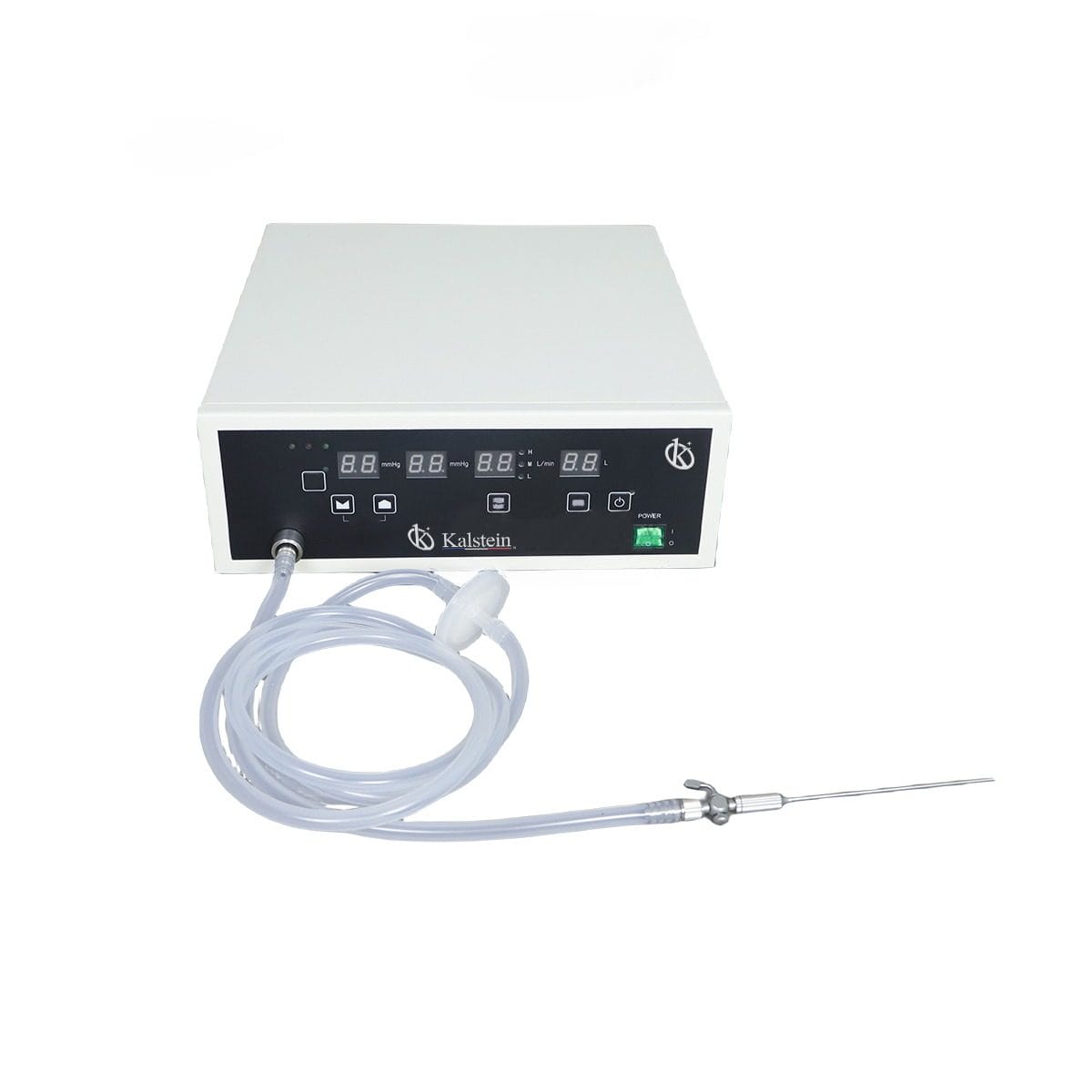
Veterinary laparoscopy systems are designed for minimally invasive surgeries in animals, providing benefits such as reduced recovery times and less postoperative pain. Additionally, they often utilize modern technologies that can be optimized for energy efficiency. By understanding how these systems work, veterinary professionals can make informed decisions that align with sustainability goals.
Comparison of Available Models
| Model | Specifications | Energy Consumption | Best Use Case |
|---|---|---|---|
| YR06157 | Flow Rate: 4L/6L/10L, Power: 40W | Low, efficient CO2 usage | Small animal surgeries |
| YR06156 | HD Camera, 30W LED Light | Energy-efficient lighting | Endoscopic surgeries |
| YR06158 | Flow Rate: 2L/min - 40L/min, Long lifespan | Enhanced gas flow efficiency | Wide applications in laparoscopic procedures |
Energy Consumption in Veterinary Laparoscopy Systems
Understanding energy consumption is crucial for sustainability. The energy consumption of veterinary laparoscopy systems varies significantly based on the model and its operational parameters. For instance, the YR06156 comes equipped with a medical-grade LED light source, consuming ≥30W, which is more energy-efficient compared to traditional light sources. In addition, the YR06158 provides a wide range of flow rates, from 2L/min to 40L/min, ensuring optimized CO2 usage during procedures, ultimately reducing energy wastage.
Lifecycle Assessment of Laparoscopy Systems
Conducting a lifecycle assessment (LCA) helps identify the environmental impact of using veterinary laparoscopy systems from production to disposal. The YR06157 model, known for its automatic silent design, ensures that during usage, there is minimal noise pollution and energy wastage. On the other hand, models such as YR06156 can be utilized in various environments, thereby increasing utility without incurring excessive energy costs.
Strategies for Reducing Environmental Footprint
Several strategies can be employed to reduce the environmental footprint associated with veterinary laparoscopic procedures. Utilizing energy-efficient models, like the YR06156, which combines imaging, lighting, and recording capabilities into one unit, can significantly minimize resource consumption. Furthermore, investing in training for staff on optimal equipment usage can lead to reduced operational energy costs.
Common Mistakes and How to Avoid Them
One common mistake is not considering energy efficiency when selecting equipment. Laboratories and veterinary clinics should not only focus on the initial cost but also the long-term energy consumption and environmental impact. For instance, choosing the YR06158 for its effective gas flow rates can lead to significant savings over time compared to less efficient models.
Frequently Asked Questions
How can veterinary laparoscopy systems improve energy sustainability in clinics?
Veterinary laparoscopy systems like the YR06157 and YR06156 enhance energy sustainability by utilizing low-power consuming components such as LED lights and efficient CO2 insufflators, which minimize energy waste while providing high-quality surgical support.
Which veterinary laparoscopy model has the best energy efficiency?
The YR06156 model is noted for its energy-efficient LED light source, which consumes ≥30W, making it an excellent choice for clinics aiming to reduce their energy consumption while still obtaining high-definition imaging during procedures.
What steps can clinics take to reduce their environmental impact when using laparoscopy systems?
Clinics should opt for energy-efficient models like the YR06158, ensure proper staff training on equipment utilization, and implement regular maintenance schedules to enhance the operational efficiency of their laparoscopy systems.
What is the significance of CO2 flow rates in veterinary laparoscopy?
CO2 flow rates are critical in veterinary laparoscopy as they determine the efficiency of insufflation during surgeries. Models like the YR06158 provide flow rates from 2L/min to 40L/min, which can enhance surgical visibility while minimizing gas usage.
How does the choice of lighting impact energy consumption in veterinary surgeries?
Choosing energy-efficient lighting, such as the LED source in the YR06156, significantly reduces energy consumption compared to traditional lighting, thus lowering the overall environmental impact of veterinary surgical procedures.
What is the expected return on investment for adopting energy-efficient laparoscopic systems?
Investing in energy-efficient laparoscopic systems like the YR06157 can lead to reduced operational costs over time, offering a favorable return on investment through decreased energy bills and improved procedural efficiency.
How can tracking energy usage improve sustainability in veterinary practices?
By tracking energy usage, veterinary practices can identify areas of excess consumption and implement strategies to mitigate waste, leading to more sustainable operations, especially when using models like the YR06158 that maximize operational efficiency.
Conclusion
Incorporating veterinary laparoscopy systems not only enhances surgical capabilities but also presents an opportunity to significantly impact energy sustainability and reduce environmental footprints. By selecting energy-efficient models, optimizing usage, and implementing best practices, veterinary clinics can lead the way in sustainable veterinary medicine. If you are looking for a fusion of innovation and quality, you have come to the right place. At Kalstein, we offer you the luxury of exploring our exclusive catalog of laboratory equipment. We manufacture every device to the highest standards of excellence. Our intuitive and seamless online purchasing channels are designed for your convenience, securing the most competitive prices. Hesitate no longer — we bring science to life, it is time to become part of our community.