Veterinary Surgical Tools: Practical Step-by-Step Guide 2026
Veterinary surgical tools play a crucial role in the efficient and effective treatment of animals. In 2026, understanding how to use these tools properly can significantly impact surgical outcomes. This guide will provide insights into the applications, history, techniques, and best practices surrounding veterinary surgical tools.
What is it used for in 2026
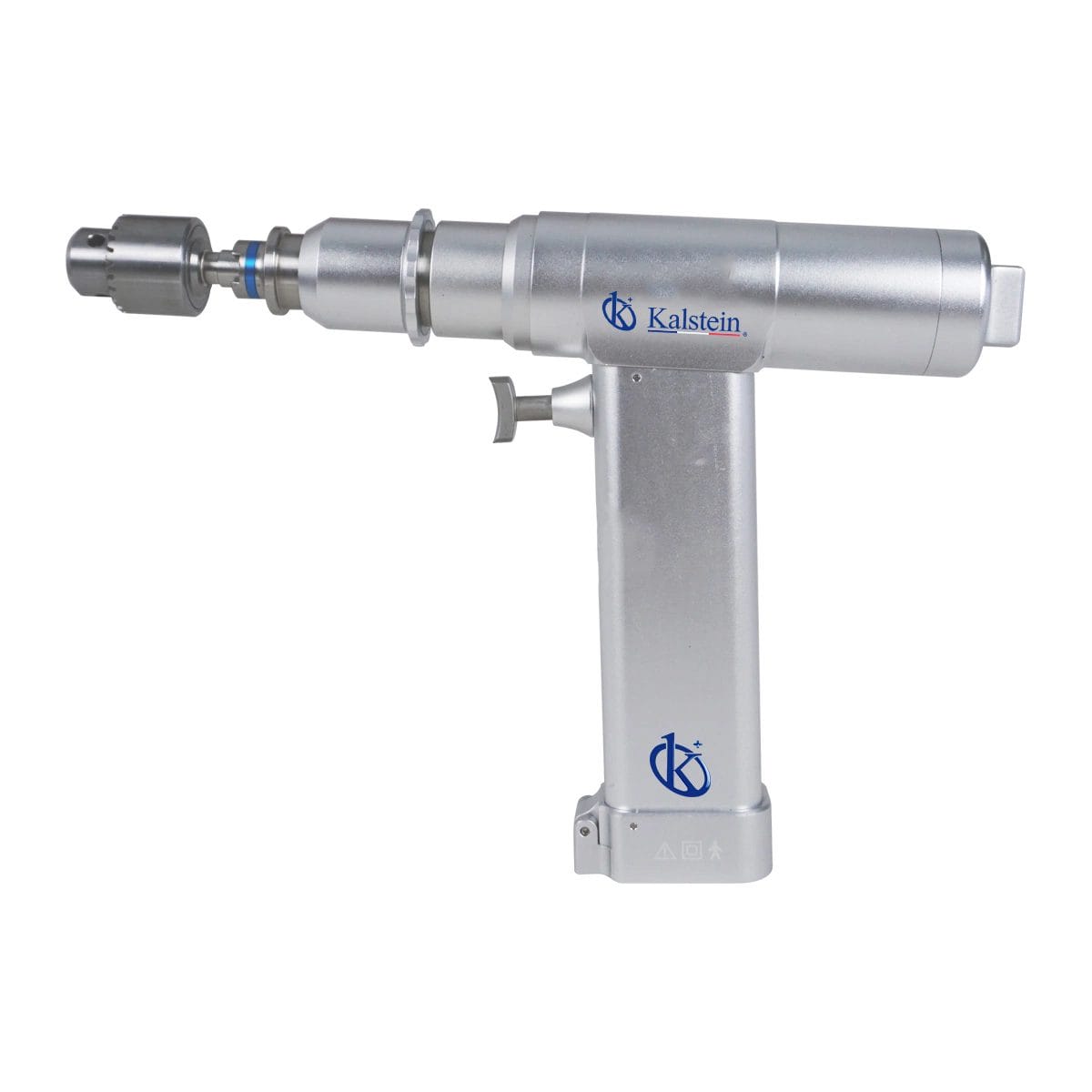
Veterinary surgical tools are primarily used for conducting surgeries on animals, including soft tissue operations, orthopedic procedures, and dental surgeries. Tools like the Electric Multifunction Tool for Veterinary Surgery YR06126 and the Micro/Mini Multifunctional Veterinary Tool for Small Animals YR06127 are designed to facilitate complex procedures, ensuring precision and safety. Additionally, the Veterinary TPLO Saw YR06128 is specialized for tibial plateau leveling osteotomies, a common surgery to stabilize knee joints in dogs.
History and evolution of the technology
The evolution of veterinary surgical tools has significantly advanced over the years. Initially, tools were rudimentary, often handcrafted with limited functionalities. However, the introduction of electric and multifunctional equipment has transformed surgical practices. In 2026, we see tools integrated with advanced technologies, allowing for safer operations, quicker recovery times, and improved outcomes.
How to use it step by step
Using veterinary surgical tools involves several critical steps:
- Preparation: Ensure all tools are sterilized and ready for use. Prepare the surgical area and gather all necessary equipment.
- Selection: Choose the appropriate tool based on the surgical procedure. For instance, use YR06127 for delicate surgeries on small animals.
- Operation: Follow proper protocols while using the tool, maintaining a steady hand and following the surgical plan.
- Post-operation care: Once the surgery is complete, carefully clean and sterilize the tools again. Monitor patient recovery closely.
Best techniques and protocols
To ensure the best outcomes, it is vital to adhere to established techniques and protocols:
- Utilize a sterile field to prevent infections.
- Maintain communication with your team during surgery.
- Regularly calibrate tools to ensure precision.
- Document each step for future reference and improvements.
Practical applications by laboratory type
Veterinary surgical tools are utilized in various laboratory settings, including:
- Animal hospitals: For routine surgeries and emergency procedures.
- Research facilities: In conducting animal studies requiring surgical interventions.
- Teaching institutions: In veterinary programs to train future professionals.
Regulations, standards and certifications
Compliance with regulations is crucial when utilizing surgical tools. In 2026, practitioners must ensure their equipment meets local and international standards. Certification from recognized bodies guarantees that tools are safe and effective for use in veterinary practices.
Comparison with alternative technologies
While traditional surgical tools remain in use, the emergence of electric tools offers significant advantages, including:
- Reduced manual effort, leading to less fatigue for surgeons.
- Enhanced precision, improving surgical outcomes.
- Quicker procedure times, benefiting both the patient and the veterinarian.
Comparison of available models
| Model | Best for | Key specs | Recommended use case |
|---|---|---|---|
| YR06126 | Joint, trauma, neurosurgery | 14.4V, ≥ 130W, ≤75db noise | Complex surgical procedures requiring versatility |
| YR06127 | Small animal surgeries | 7.2V, ≥50W, ≤60db noise | Delicate operations on small animals |
| YR06128 | TPLO surgeries | 12V, ≤75dB noise, 0-16000 Hz frequency | Stabilizing knee joints in dogs |
Common mistakes and how to avoid them
Practitioners often face challenges when using surgical tools. Common mistakes include:
- Inadequate preparation: Always ensure that tools are sterilized and functioning properly before use.
- Neglecting calibration: Regularly check tools for accuracy to avoid complications during surgery.
- Improper handling: Educate all team members on correct usage techniques to minimize errors.
Maintenance, calibration and good practices 2026
To prolong the lifespan of veterinary surgical tools, adhere to these maintenance practices:
- Regularly clean and sterilize tools after each use.
- Perform periodic calibration checks to ensure optimal performance.
- Store tools in a controlled environment to prevent damage.
Cost-benefit analysis 2026
Investing in high-quality veterinary surgical tools can yield substantial benefits, including:
- Improved surgical outcomes leading to higher client satisfaction.
- Reduced operation times, increasing the number of available procedures.
- Long-term savings on repairs and replacements due to better quality tools.
Frequently asked questions
How do I choose the right veterinary surgical tool?
Selecting the appropriate veterinary surgical tool depends on the specific procedure and animal type. Consider the size, durability, and functionality of the tool to ensure it meets your surgical needs.
What maintenance is required for these surgical tools?
Regular cleaning, sterilization, and calibration are essential maintenance practices. Ensure tools are free from debris and properly stored to maintain their effectiveness.
Are there specific regulations for using surgical tools in veterinary medicine?
Yes, veterinarians must comply with local and international regulations regarding the use of surgical tools, including sterilization standards and safety practices.
How can I improve my surgical skills with these tools?
Practice is key. Engage in training programs, attend workshops, and observe experienced veterinarians to enhance your skills and confidence in using surgical tools.
What are the most common errors when using surgical tools?
Common mistakes include improper handling, insufficient preparation, and neglecting to calibrate tools. Awareness of these issues can help avoid complications during surgery.
Can I use these tools for both large and small animals?
While some tools are multifunctional, it’s essential to select tools specifically designed for the size and type of animal to ensure safety and effectiveness during surgery.
What should I consider before purchasing veterinary surgical tools?
Consider the tool's intended use, durability, ease of maintenance, and whether it meets regulatory standards. Evaluate the cost versus the expected benefits for your specific practice.
If you are looking for a fusion of innovation and quality, you have come to the right place. At Kalstein, we offer you the luxury of exploring our exclusive catalog of laboratory equipment. We manufacture every device to the highest standards of excellence. Our intuitive and seamless online purchasing channels are designed for your convenience, securing the most competitive prices. Hesitate no longer — we bring science to life, it is time to become part of our community.