Water Baths: Applications in Research, Biotechnology, and Academia 2026
Water baths are essential tools in laboratories, playing a critical role in various applications including biological research, chemical analysis, and temperature-controlled experiments. This article aims to explore the versatile uses of water baths in 2026, focusing on key techniques, best practices, and real-world laboratory workflows.
What is it used for in 2026
In 2026, water baths are widely used for:
- Maintaining precise temperatures for biological and chemical reactions
- Heating samples uniformly
- Incubating cell cultures and biochemical assays
- Performing enzyme reactions and nucleic acid extractions
- Melting and dissolving substances accurately
The versatility of water baths makes them indispensable in research, biotechnology, and academic laboratories.
History and evolution of the technology
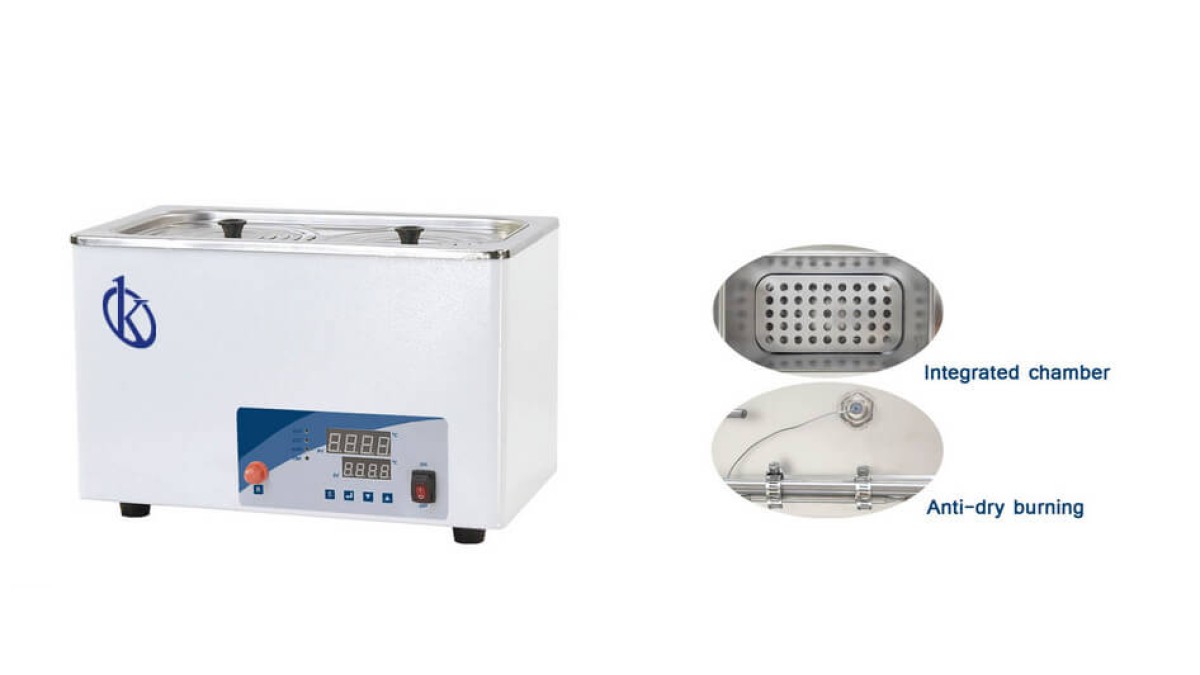
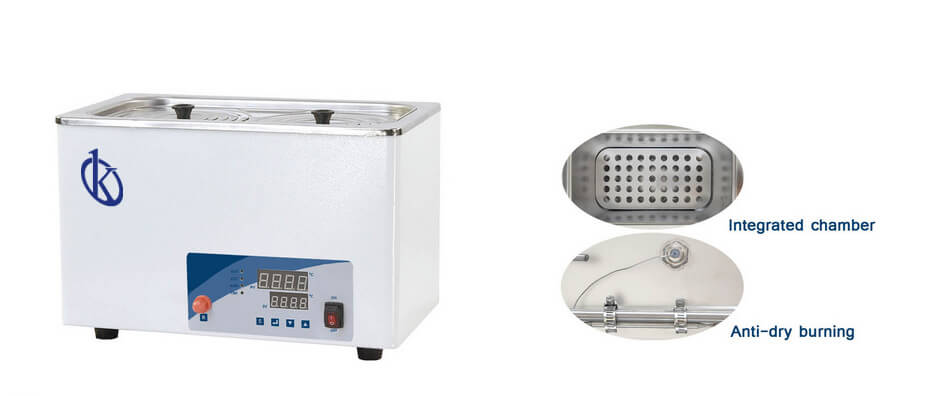
The concept of water baths dates back several decades, with early models being simple containers of water heated by external sources. Over time, advancements in technology have led to the integration of digital controls, PID temperature regulation, and safety features. Modern water baths, such as the YR series, now include stainless steel materials for durability, enhanced temperature accuracy, and user-friendly designs. The evolution reflects a continuous effort to improve precision, safety, and ease of use in laboratory practices.
How to use it step by step
Using a water bath effectively involves several steps:
- Preparation: Ensure the water bath is clean and filled with distilled water to the appropriate level.
- Setting temperature: Turn on the device, set the desired temperature using the digital controls, and wait for the water to reach the specified level.
- Sample placement: Place the samples in appropriate containers and position them in the water bath, ensuring they are fully submerged without touching the sides.
- Monitoring: Keep an eye on the temperature display and adjust as necessary to maintain consistency.
- Completion: Once the experiment is done, carefully remove samples, allow the water bath to cool, and clean the equipment post-use.
Following these steps ensures optimal performance and reproducible results in experiments.
Best techniques and protocols
To achieve the best outcomes with water baths, consider the following techniques and protocols:
- Always calibrate the water bath before use to ensure accurate temperature readings.
- Use thermometric devices to cross-verify temperatures for critical experiments.
- Regularly check for any water evaporation; top up with distilled water as needed.
- Designate specific baths for different applications to avoid cross-contamination.
Implementing these protocols increases the reliability of experimental results.
Practical applications by laboratory type
Water baths are utilized across various laboratory settings as follows:
1. Academic Laboratories
Used for student training in biochemistry, molecular biology, and general chemistry classes.
2. Research Laboratories
In applications such as DNA extraction and enzyme assays, maintaining specific temperatures is crucial for valid results.
3. Medical Laboratories
Used for blood sample incubation and other temperature-sensitive tests.
4. Pharmaceutical Industries
Essential for drug formulation processes, ensuring consistent heating during manufacturing.
Regulations, standards and certifications
In 2026, laboratories using water baths must adhere to various standards and regulations, including:
- ISO 9001 for quality management systems
- Good Laboratory Practice (GLP) guidelines
- Occupational Safety and Health Administration (OSHA) regulations
- National Institutes of Health (NIH) standards for laboratory practices
Compliance with these regulations ensures safety and reliability in laboratory operations.
Comparison with alternative technologies
While water baths are versatile, alternative technologies such as dry block heaters and temperature-controlled circulators exist:
- Dry Block Heaters: Offer faster heat-up times and are more portable but may lack the temperature uniformity of water baths.
- Temperature-controlled Circulators: Provide precise temperature control and are suitable for larger volumes but are generally more expensive and complex.
Choosing the right technology depends on specific laboratory requirements and budget constraints.
Comparison of available models
| Model | Best for | Key specs | Recommended use case |
|---|---|---|---|
| YR05073 | General laboratory use | Temperature range: RT +5~100 °C, Power: 300W | Heating samples, incubating cultures |
| YR05074 | General laboratory use | Temperature range: RT +5~100 °C, Power: 600W | Heating samples, incubating cultures |
| YR030L | Cell culture and biochemical assays | Temperature range: RT~100°C, Power: 300W | Agitated heating applications |
| YR05001 | Chemical reactions | Circulation range: -35-200 °C, Power: 3000W | Complex chemical processes |
| YR05002 | Chemical reactions | Circulation range: -35-200 °C, Power: 6000W | Complex chemical processes |
| YR05003 | Chemical reactions | Circulation range: -35-200 °C, Power: 6000W | Complex chemical processes |
Common mistakes and how to avoid them
Common pitfalls when using water baths include:
- Not preheating: Always allow the water bath to reach the desired temperature before placing samples.
- Overcrowding: Avoid overcrowding the bath as it can lead to temperature inconsistencies.
- Using tap water: Use distilled water to prevent contamination and mineral buildup.
By recognizing and addressing these issues, laboratories can enhance their workflow efficiency.
Maintenance, calibration and good practices 2026
Regular maintenance of water baths is essential:
- Clean the bath regularly to prevent buildup and contamination.
- Calibrate temperature settings periodically to ensure accuracy.
- Check electrical connections and components for wear and tear.
Implementing these practices will prolong the lifespan of the equipment and maintain optimal performance.
Cost-benefit analysis 2026
When evaluating the cost-benefit ratio of water baths, consider:
- Initial investment versus long-term usage across various applications.
- Operational costs, including maintenance and energy consumption.
- The potential for improved experimental outcomes leading to successful research funding.
Investing in high-quality water baths can yield excellent returns in laboratory efficiency and research productivity.
Frequently asked questions
How do I choose the right water bath for my laboratory?
Consider factors such as the required temperature range, capacity, and specific applications you need it for. Evaluate whether you need additional features like agitation or digital controls.
What safety precautions should I take when using a water bath?
Always use gloves and goggles when handling samples. Ensure the water level is adequate and monitor for any leaks or electrical hazards.
How often should I calibrate my water bath?
Calibrate your water bath at least once every six months, or more frequently if precise temperature control is critical for your experiments.
Can I use tap water in my water bath?
It is not recommended as tap water can contain minerals that may affect the performance and accuracy of the bath. Always use distilled water.
What should I do if the temperature reading is inconsistent?
Check for proper calibration, ensure no evaporation has occurred, and that the heating element is functioning correctly. Regular maintenance can help prevent these issues.
How can I efficiently maintain my water bath?
Regularly clean the interior, calibrate the temperature settings, and inspect for wear and tear of components to ensure long-lasting performance.
If you are looking for a fusion of innovation and quality, you have come to the right place. At Kalstein, we offer you the luxury of exploring our exclusive catalog of laboratory equipment. We manufacture every device to the highest standards of excellence. Our intuitive and seamless online purchasing channels are designed for your convenience, securing the most competitive prices. Hesitate no longer — we bring science to life, it is time to become part of our community.