
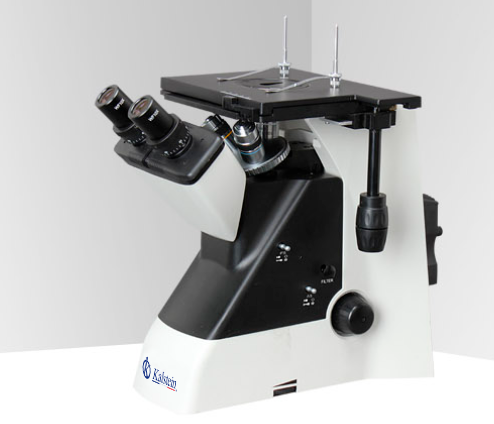
Product Description
The Metallurgical Microscopes YR0259 and YR0260 stand as masterpieces of technological precision, designed to elevate the study of metallic structures. These microscopes boast advanced optical features, providing enhanced clarity and resolution for detailed examination of metallurgical samples. Both models integrate a robust halogen lamp system (12V/20W) with adjustable brightness and centering, ensuring optimal illumination for your observations.
The YR0259 model features a binocular head, while the YR0260 offers a trinocular head, allowing flexibility in visual training and camera integration. Each microscope comes equipped with a versatile range of eyepieces, including WF10X/18, WF12.5X/14, and WF16X/11, offering different magnifications and field views. The achromatic objectives (10X, 40X, 50X, and 100X) provide wide apertures and precise working distances for varied sample analysis. Complemented by a set of filters – green, yellow, and color films – these microscopes ensure a comprehensive suite for metallographic studies.
| Model | YR0259 | YR0260 |
| Head | Binocular Head | Trinocular Head |
| Eyepiece | WF10X/18 | |
| WF12.5X/14 | ||
| WF16X/11 | ||
| Nosepiece | Achromatic Objective 10X/0.25 WD=6.3mm | |
| Flat field Achromatic Objective 40X/0.65 WD=0.7mm | ||
| Flat field Achromatic Objective 50X/0.75 WD=2mm | ||
| Achromatic Objective100X/1.25(Oil) WD=0.1mm | ||
| Light Source | 12V/20W Halogen Lamp, Center And Brightness Are Continuously Adjustable | |
| Filter | Green, Yellow, Color film | |
Market Price
The cost of metallurgical microscopes like the YR0259 and YR0260 can vary depending on technological advancements, brand reputation, and distribution channels. On average, professional-grade metallurgical microscopes are priced within the range of $2,000 to $4,000. Prices may fluctuate based on available features and accessories, as well as additional services like warranties and technical support. At Kalstein, we offer competitive pricing strategies, ensuring maximum value for your investment.
Frequently Asked Questions
What is the difference between binocular and trinocular heads?
A binocular head is designed for direct visual observation using two eyepieces, whereas a trinocular head incorporates an additional port that allows for a camera to be attached, enabling digital capture and documentation of micrographs.
Are the objectives compatible for oil immersion?
Yes, the 100X objective on both models is specifically designed for oil immersion, providing enhanced resolution with a working distance of 0.1mm.
Can this microscope be used for biological samples?
Although primarily designed for metallurgical studies, these microscopes can also be adapted for use with biological specimens by employing appropriate slides and covers, paired with compatible lighting adjustments.
Advantages and Disadvantages
Advantages: These metallurgical microscopes offer exceptional optical performance supported by achromatic, flat field objectives. The wide range of eyepieces and adjustable illumination ensure versatility in visual exploration. The robust build and user-friendly features cater to both novice users and seasoned professionals.
Disadvantages: The advanced technological features may result in a steeper learning curve for beginners. Additionally, initial costs might be higher compared to basic microscope models, but they are justified by the extensive capabilities and durability provided.
Usage of the Product in the Field
In practice, metallurgical microscopes are pivotal for analyzing the microstructure of metals and alloys. They provide crucial insights into grain size, phase distributions, and fault inclusions, contributing to quality control, research, and failure analysis in industries such as metallurgy, engineering, and material sciences. Their precision makes them indispensable tools in laboratories focused on structural analysis and material integrity.
Users can seamlessly adapt to various industrial demands by utilizing the suite of objectives and filters, allowing for flexibility across different analytical scenarios. Both educational institutions and industrial labs can leverage these microscopes for advanced training and research initiatives.
Recommendations
To maximize the lifespan and performance of your metallurgical microscope, ensure regular cleaning of lenses and components. Proper storage in a stable, dust-free environment will prevent potential deterioration. To further enhance usability, integrating the trinocular model with a digital camera enables documentation and sharing of microscopic findings.
If you are in search of advanced metallurgical microscopes that cater to both accuracy and durability, consider requesting a quote through our Kalstein Plus platform. This seamless feature allows you to explore specifications tailored to your requirements and gain immediate access to our technical sales team.
If you are looking for a fusion of innovation and quality, you have come to the right place. At Kalstein, we offer you the luxury of exploring our exclusive catalog of laboratory equipment. We manufacture each piece of equipment with a level of excellence. Our intuitive and agile online shopping channels are designed for your convenience, ensuring the most customer-friendly pricing. Do not hesitate any longer, we bring science to life, it’s time to become part of our community. https://kalstein.net/en/product/metallurgical-microscope-yr0259-yr0260-2/
