
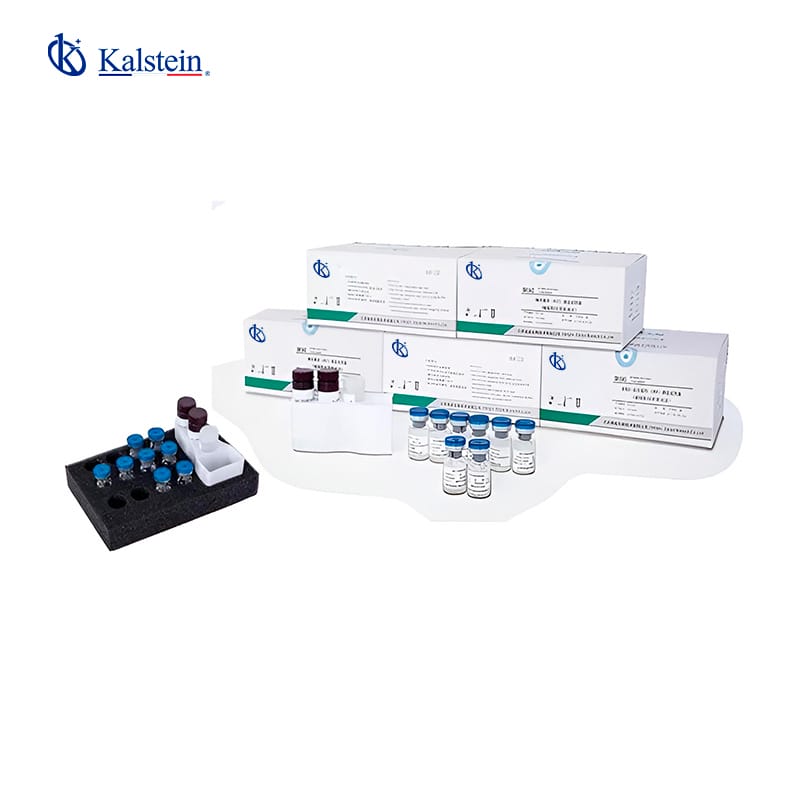
Product Description
The Cardiac Test Markers are part of an innovative range of diagnostic tools, namely models YRA326 to YRA333, each specifically designed to identify distinct cardiac biomarkers. These include cTnI, MYO, CK-MB, HCY, H-FABP, BNP, D-Dimer, and NT-proBNP. Central to their operation is the principle of enzymatic chemiluminescence, which uses alkaline phosphatase (AP) as a luminous marker to deliver precise and reliable results.
The test kits offer flexible specifications, accommodating different laboratory needs with options for 100, 50, or 48 tests per kit. Utilizing a competitive method, the tests incorporate robust components such as magnetic beads, Anti-A/Anti-B agents, and essential calibrators along with QC1 and QC2 quality controls. Designed for serum samples, these kits must be stored at temperatures between 2-8°C to maintain their integrity.
| Model | YRA326 | YRA327 | YRA328 | YRA329 | YRA330 | YRA331 | YRA332 | YRA333 |
| Tested Parameter | cTnI | MYO | CK-MB | HCY | H-FABP | BNP | D-Dimer | NT-proBNP |
| Luminous principle | Enzymatic chemiluminescence | |||||||
| Luminous Marker | AP(alkaline phosphatase) | |||||||
| Specification | 100 test/kit, 50 test/kit, 48 test/kit | |||||||
| Principle | Competitive Method | |||||||
| Components | Magnetic beads, Anti-A/Anti-B, Calibrators, QC1, QC2 | |||||||
| Sample | Serum | |||||||
| Storage | 2-8°C | |||||||
Market Price
The pricing for cardiac test markers can vary depending on the supplier and the specific model. On average, the cost for these diagnostic kits ranges between $500 and $1500, influenced by factors such as order size, shipping considerations, and additional calibration needs. For the latest pricing and personalized quotes, we recommend contacting suppliers directly or utilizing platforms like Kalstein Plus for automatic quotations tailored to your requirements.
Frequently Asked Questions
What is the primary application of these cardiac test markers?
These test markers are primarily used for early and accurate detection of heart-related conditions by measuring specific biomarkers associated with cardiac function and integrity.
How should the test kits be stored?
The kits should be stored at temperatures between 2-8°C to ensure optimal performance and longevity of each component within the test kits.
What type of sample is required for the tests?
These diagnostic tests require serum samples, which are typically obtained from blood samples, to ensure accurate detection of the specified cardiac biomarkers.
Advantages and Disadvantages
One of the primary benefits of these cardiac test markers is their high sensitivity and accuracy in detecting specific cardiac parameters, contributing to faster and more reliable diagnostic outcomes. Their versatility in specifications, from 48 to 100 tests per kit, allows for scalable use across various laboratory environments, enhancing operational efficiency.
However, reliance on serum samples can limit immediate use in emergency settings where whole blood testing might be preferred. Additionally, stringent storage conditions between 2-8°C could pose challenges in regions lacking stable power supply infrastructures or adequate cooling facilities.
Product Use in the Field
Cardiac test markers find extensive application in clinical settings for routine health check-ups, emergency diagnostics, and ongoing patient monitoring. In hospitals, they are instrumental in the cardiac units for evaluating patients exhibiting symptoms of heart ailments, assisting healthcare professionals in making informed decisions swiftly.
Laboratories often rely on these kits during research studies concerning heart diseases, optimizing the assessment of new drugs or therapies aimed at improving cardiac health. The competitive method employed in these tests offers precise differentiation among various biomarker concentrations, a crucial advantage during comparative studies.
Recommendations
To maximize the efficiency and reliability of these cardiac test markers, it’s essential to follow the manufacturer’s guidelines for test preparation and execution meticulously. Regular calibration of equipment using provided calibrators ensures consistent test results.
For extended product life, adhere strictly to the storage temperature requirements, and ensure all components, including magnetic beads and antibodies, are handled carefully. Consider integrating this diagnostic tool into comprehensive cardiac assessment protocols for a holistic health evaluation that leverages the strengths of these test markers.
If you are seeking a blend of innovation and quality, look no further. At Kalstein, we offer you the luxury of exploring our exclusive catalog of laboratory equipment. We manufacture each equipment with a level of excellence. Our intuitive and agile online purchasing channels are designed for your convenience, ensuring the most friendly prices. Don’t hesitate any longer, we bring science to life, join our community. https://kalstein.net/en/product/cardiac-test-marker-yra326-yra333/.
