
Product Description
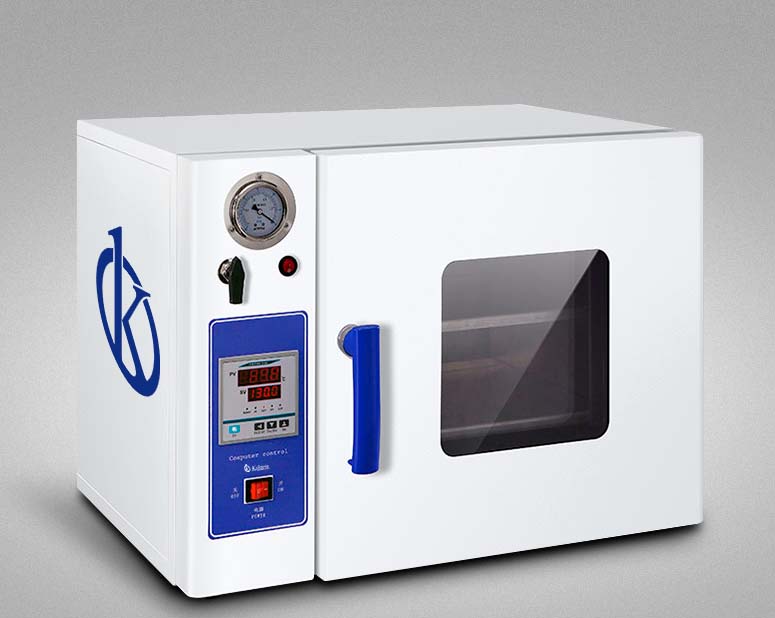
The Kalstein Vacuum Drying Ovens stand out for their exceptional precision and robust performance. Designed to cater to a myriad of laboratory applications, these ovens are indispensable for achieving efficient drying and heat treatment processes under vacuum conditions. Their main advantage is the ability to handle heat-sensitive substances by maintaining a reduced pressure environment, thereby minimizing oxidation and enhancing quality outcomes.
The models available, such as the YR05260 (A) to YR05265 (SS), offer a tailored approach to drying with features such as a supply voltage of 220V and a temperature range reaching from ambient temperature plus 5°C up to 250°C. The vacuum drying ovens boast a timer range from 0 to 999 minutes, providing extensive control over the drying process. The chambers vary from zinc plating to stainless steel, catering to different durability and use cases, while ensuring temperature accuracy within ±1°C and fluctuation within ±2°C, thus maintaining consistency across all cycles.
| Model | YR05260 (A) | YR05262 (SS) | YR05261 (A) | YR05263 (SS) | YR05264 (A) | YR05265 (SS) |
| Supply Voltage | 220 | |||||
| Temp. Range (°C) | RT + 5 ~ 250 | |||||
| Timer Range | 0 ~ 999 min | |||||
| Material | Zinc Plating Chamber | Stainless Steel | Zinc Plating Chamber | Stainless Steel | Zinc Plating Chamber | Stainless Steel |
| Temp. Accuracy | ± 1 | |||||
| Temp. Fluctuation (%) | ± 2 | |||||
| Power (KW) | 0.9 | 1.4 | ||||
| Vacuum Degree | < 133 | |||||
| Inner Size (mm) (H x W x D) | 28 x 30 x 30 | 40 x 41.5 x 35 | 44 x 48.5 x 42.5 | |||
Market Price
The market price for vacuum drying ovens generally aligns with the sophisticated technology and diverse applications they offer. With a typical market range starting around $1,500 and extending up to $2,300, Kalstein’s offerings provide a highly competitive edge in terms of cost-effectiveness and quality assurance. This pricing range ensures that laboratories equipped with these units can achieve high performance and reliability without exceeding budget constraints.
Frequently Asked Questions
What is the primary use of a vacuum drying oven?
Vacuum drying ovens are primarily used to dry samples that are sensitive to heat or may decompose under standard atmospheric pressures. They are essential in laboratories where precise moisture content is critical.
How does the vacuum feature benefit drying processes?
The vacuum feature reduces the pressure within the oven, which lowers boiling points and accelerates the drying process. This minimizes the risk of oxidation and other atmospheric interference, preserving the integrity of the samples.
What materials are the chambers made of?
Kalstein offers vacuum drying oven models with either zinc plating or stainless steel chambers, catering to different needs in terms of durability and chemical resistance.
Advantages and Disadvantages
Kalstein Vacuum Drying Ovens are renowned for their precise temperature control, which is critical for sensitive drying operations. With temperature deviations as low as ±1°C, these ovens ensure reproducible results. The versatility in chamber materials – zinc plating or stainless steel – allows users to choose based on specific requirements like corrosion resistance or cost.
However, potential disadvantages might include the initial investment cost, which can be a consideration for smaller labs. Yet, the long-term benefits of reduced sample waste and process optimization often offset these costs.
Field Applications
In practical scenarios, these ovens are indispensable across various fields, including food testing, pharmaceutical laboratories, and materials science. In the pharmaceutical sector, for instance, vacuum drying ovens are critical for drying compounds that are sensitive to moisture or temperature variations, ensuring stability and purity in drugs.
Similarly, in the food industry, these ovens facilitate moisture analysis, enhancing quality control in production processes. Their ability to maintain consistent temperatures and vacuum conditions makes them ideal for controlled dehydration applications.
Recommendations
To maximize the lifespan and efficiency of your vacuum drying oven, ensure regular maintenance checks, focusing on the vacuum pump and seals. It is recommended to use distilled water to avoid mineral deposits within the chamber and regularly calibrate temperature settings to maintain accuracy.
Additionally, when using the oven, always adhere to the manufacturer’s guidelines concerning load capacity and operational procedures to prevent undue stress on the equipment. For laboratories seeking to optimize their drying processes, consider integrating the oven into your existing workflow with thorough training sessions for staff.
If you are seeking a fusion of innovation and quality, you have come to the right place. At Kalstein, we offer you the luxury of exploring our exclusive catalog of laboratory equipment. We manufacture each device with a level of excellence. Our intuitive and agile online purchase channels are designed for your convenience, ensuring the most friendly prices. Don’t hesitate any longer, we bring science to life; it’s time to become part of our community. https://kalstein.net/en/product/vacuum-drying-oven-yr05260-a-yr05261-a-yr05264-a/.
