
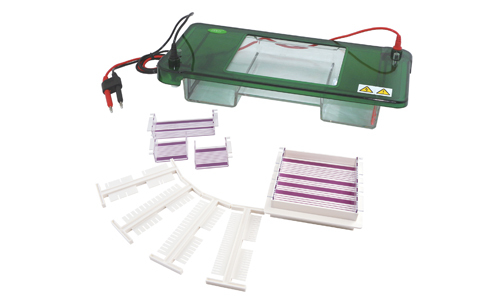
Horizontal Electrophoresis: Discover the Kalstein Brand Excellence
Horizontal electrophoresis systems are an essential component in modern laboratories, and the Kalstein brand stands out for its innovation and quality. As someone who has worked with their products, I can attest to the reliability and precise functionality that these systems offer. They are particularly designed to ensure accurate separation and analysis of DNA, RNA, and proteins, making them invaluable in genetic research and biochemistry laboratories.
What sets the Horizontal systems from this brand apart is not just their cutting-edge technology but also the commitment to user-friendly designs. These systems are created to meet the diverse needs of scientists and researchers around the world, ensuring that every detail is in place for seamless operation. Users appreciate the ease of assembly and maintenance, which significantly boosts productivity by minimizing downtime.
Characteristics of the Horizontal Systems
The Kalstein Horizontal systems are renowned for their compact design and efficiency. They boast features such as adjustable gel platforms, allowing for flexibility in research applications. This adaptability makes them particularly suitable for varied experimental setups, accommodating a range of gel sizes seamlessly.
Built with precision and durability in mind, these systems feature robust construction materials that ensure longevity, even under heavy usage. The temperature control and power settings are intuitively integrated, enabling researchers to manage electrophoresis conditions meticulously, ensuring high-quality results every time.
Different Types or Models of Horizontal Systems
The versatility in the product line is evident with the variety of models available. Depending on the specific laboratory requirements, users can choose from models that offer high-throughput capacities or more focused, smaller-scale options for targeted experiments. Each model has been meticulously designed to cater to different research scales and budgetary requirements.
Whether you are looking for a system to handle large volumes of samples or require something more specialized for particular types of electrophoresis, Kalstein’s range provides the perfect balance of options. Their catalog includes models with innovative features like multi-sample capacity and enhanced cooling systems, which are particularly useful for intensive research settings.
Why Are Horizontal Systems Priced This Way?
The pricing of the Horizontal systems reflects the advanced technology and materials involved in their development. Compared to other systems on the market, the cost is justified by their superior performance and the long-term savings they offer due to their reliability and low maintenance requirements. Investing in these systems means investing in dependable technology that supports high-volume work while maintaining precision and consistency.
Moreover, the brand incorporates state-of-the-art technology that ensures precise results, further justifying the investment. From quality assurance to customer support, the value added by the brand’s infrastructure is reflected in the product’s pricing. The comprehensive warranty and support services offered also contribute to the overall cost-effectiveness of these Horizontal systems.
Comparing Horizontal Systems with Competitors
Comparing these systems with competitors such as Biorad, Thermo Fisher Scientific, and Agilent Technologies reveals some interesting contrasts. While Biorad offers a range with a strong focus on digital integration and automated features, the price range tends to be higher than that of Kalstein’s. In terms of functionality, Kalstein’s systems provide a comparable performance with a greater emphasis on manual controls, which many researchers prefer for their precision and customization potential.
Thermo Fisher Scientific models often emphasize user interface and digital enhancements, but this can sometimes lead to over-reliance on software, which might not suit all laboratories. On the other hand, Agilent Technologies offers highly specialized equipment that can surpass Kalstein’s in niche applications but usually at a premium price. When assessing overall value, Kalstein’s Horizontal systems offer a balanced approach with technological efficacy without the inflated costs, making them a preferred choice for many laboratories.
Pros and Cons of Horizontal Systems
| Pros | Cons |
|---|---|
| High precision in DNA and RNA separation | Initial setup can be complex for new users |
| User-friendly manual controls | Requires regular calibration for optimal performance |
| Durable and robust construction | Limited availability of models in certain regions |
| Compact design suitable for small laboratories | Replacement parts can be expensive if damaged |
| Efficient cooling system for high-demand operations | Depends on specific protocols which can limit flexibility |
| Cost-effective with low maintenance | Additional training might be required for optimal use |
| Customizable with adjustable gel platforms | N/A |
| Excellent customer support and warranty | N/A |
Benefits of Using Horizontal Systems
The benefits of utilizing Horizontal electrophoresis systems are numerous. Primarily, they enable precise and efficient separation of biomolecules, which is fundamental to genetic analysis and protein research. Their accuracy enhances reliability in experimental results, leading to more insightful data analysis and better outcomes in research initiatives.
Additionally, the systems’ durability and low maintenance requirements translate to cost savings over time, which is a substantial benefit for laboratories operating on tight budgets. The ease of use and adaptability of these systems also mean that laboratory staff can be easily trained, reducing the learning curve associated with implementing new equipment.
Other Advantages of Horizontal Systems
Aside from their primary research capabilities, these systems also offer advantages in terms of energy efficiency and environmentally friendly operations. The optimized design reduces power consumption, which not only lowers operational costs but also contributes to laboratories’ sustainability efforts.
Moreover, their compatibility with different gel types and buffer systems provides laboratories with the flexibility to conduct various experimental procedures without the need for multiple setups. This compatibility ensures that laboratories can maximize the utility of their equipment and streamline operations.
User References on Horizontal Systems
User testimonials strongly vouch for the efficiency and reliability of these systems. Many users highlight the seamless integration of the systems into their existing workflows, praising the minimal disruption and enhanced productivity that comes with their adoption. The consensus is that these systems provide a significant upgrade over traditional methods, allowing for sharper and more distinct results.
Feedback also commonly notes the excellent customer service, with prompt support enhancing the overall user experience. Many find that any potential hurdles, such as technical inquiries or setup challenges, are rapidly addressed by the support teams, cementing the brand’s reputation for customer care and post-sales assistance.
Frequently Asked Questions
What makes Kalstein’s Horizontal systems stand out from other brands?
They offer a unique combination of precision, reliability, and cost-effectiveness, alongside comprehensive customer support and durable construction.
Are these systems suitable for all types of gels?
Yes, they’re designed for compatibility with various gel types, providing significant flexibility for diverse research needs.
What maintenance is required to keep the systems in optimal condition?
Routine cleaning and regular calibration are recommended to ensure consistent performance and accuracy.
How energy-efficient are these systems compared to others?
They are designed to be highly energy-efficient, reducing operational costs and supporting sustainability initiatives in laboratories.
Can these systems be easily integrated into existing laboratory setups?
Absolutely! Their user-friendly design and adaptability make them ideal for seamless integration with minimal disruption to current workflows.
What kind of warranty and support services does Kalstein offer?
Kalstein provides comprehensive warranty coverage and excellent support services, ensuring users have access to technical assistance whenever needed.
Final Recommendations on Horizontal Systems
In conclusion, Horizontal systems, particularly those offered by Kalstein, represent a significant investment in any laboratory striving for precision and efficiency in biomolecular research. Their design, functionality, and cost-effectiveness make them an ideal choice for laboratories of all sizes. Whether you’re upgrading existing equipment or setting up a new laboratory, these systems offer unparalleled benefits that can significantly enhance your research capabilities. For more information, you can visit the following link to explore their product range: https://kalstein.net/en/category-product/laboratory-line/electrophoresis/horizontal/.
