
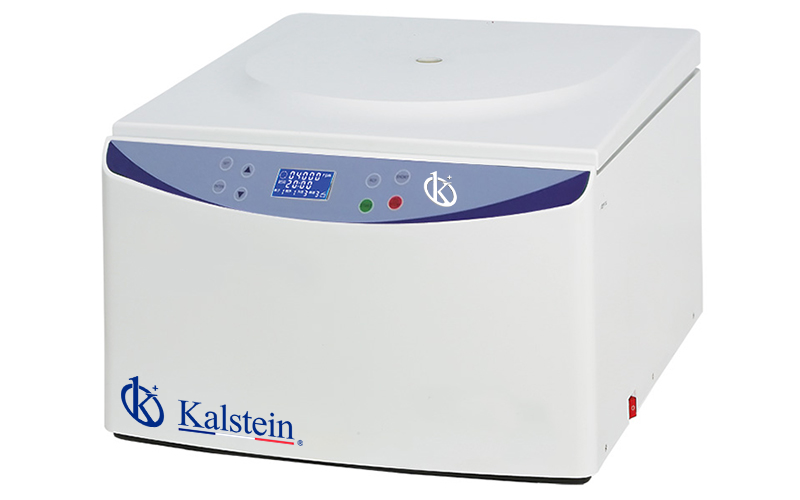
In the world of laboratory equipment, centrifuges play an essential role in separating substances based on density. Two notable options in the market are the Gel Card Centrifuge YR142-3 – YR142-3-1 from Kalstein and the Centrifuge 5920 R from Eppendorf. Both of these products stand out for their quality and performance, yet they cater to distinct needs and preferences in the laboratory environment.
The Gel Card Centrifuge YR142-3 – YR142-3-1 by Kalstein is a specialized piece of equipment designed for applications involving gel cards, a critical component in immunohematology. Known for its precision and versatility, this model is equipped with advanced features that offer reliability and efficiency in diverse laboratory settings. On the other hand, the Centrifuge 5920 R by Eppendorf is recognized for its robust design and capability to handle large volumes, making it suitable for high-throughput laboratories focusing on various applications beyond just gel cards.
| Feature | Gel Card Centrifuge YR142-3 – YR142-3-1 | Centrifuge 5920 R |
|---|---|---|
| Manufacturer | Kalstein | Eppendorf |
| Primary Use | Gel Card Applications | General Centrifugation with High Capacity |
| Max Speed | Choose based on model requirements | Up to 21,194 x g |
| Capacity | Tailored for gel cards | Large-volume processing |
| Price Range | Contact for quote via Kalstein Plus | Varies by configuration |
How They Operate
The Gel Card Centrifuge YR142-3 – YR142-3-1 utilizes its unique design tailored for gel card applications. It operates with precision, ensuring that each gel card is processed accurately, which is crucial for diagnostic purposes. Its operation caters specifically to the requirements of immunohematology, providing reliable separation results.
The Centrifuge 5920 R, in contrast, operates on a more general framework, boasting advanced technology that supports a wide range of rotors and adapters for different laboratory needs. Its capability to reach high speeds and accommodate large volumes makes it ideal for broader applications where flexibility is key, such as in genomic studies or protein research.
Applications
Both centrifuges have a critical role within their respective domains. The Gel Card Centrifuge YR142-3 – YR142-3-1 is specifically utilized for processing gel cards in blood typing and serological testing, pivotal for clinical laboratories focusing on immunohematology.
Meanwhile, the Centrifuge 5920 R serves a broader purpose. It is employed in applications where high capacity and versatility are essential. This centrifuge is a staple in research labs that require processing a variety of samples, including cell harvesting and separation of chemicals for pharmaceutical purposes.
Types
Centrifuges can be segmented into numerous types, depending on their design and purpose. The Gel Card Centrifuge YR142-3 – YR142-3-1, for instance, is a type of specialized centrifuge intended for gel card applications, highlighting its niche focus on a particular subset of laboratory processes.
Conversely, the Centrifuge 5920 R represents general-purpose centrifugal equipment, offering adaptability across diverse sample types and laboratory requirements. This distinction is vital when laboratories consider investing based on specific application needs.
Market Price
When it comes to comparing market prices, the Gel Card Centrifuge YR142-3 – YR142-3-1 requires potential buyers to request a quote via Kalstein’s platform for precise pricing. Eppendorf’s Centrifuge 5920 R varies, typically aligning its cost with its high-performance capabilities and optional configurations suited for extensive laboratory tasks.
Frequently Asked Questions
What is the main advantage of using a specialized gel card centrifuge?
The primary advantage is its tailored design for processing gel cards, ensuring precise and reliable results essential for immunohematological applications.
Can the Centrifuge 5920 R handle gel cards?
While it is versatile, it is not specifically designed for the precision required in gel card applications, making the Gel Card Centrifuge YR142-3 – YR142-3-1 a better choice for that specific use.
Pros and Cons
Gel Card Centrifuge YR142-3 – YR142-3-1 Pros: Precision for gel card applications, enhanced accuracy, specific to immunohematology needs. Cons: Less versatile than general-purpose centrifuges.
Centrifuge 5920 R Pros: High capacity, versatility for various applications, robust performance. Cons: Not specialized for gel card precision tasks, potentially higher cost.
Field Application
In practical scenarios, the Gel Card Centrifuge YR142-3 – YR142-3-1 excels in clinical labs where specific immunohematology testing is conducted, providing consistent and accurate results crucial for patient diagnosis. Meanwhile, the Centrifuge 5920 R demonstrates its utility in research facilities, where diverse sample types are processed, showcasing its broad-spectrum capability.
Recommendations
For optimal performance, it is recommended to regularly maintain the centrifuge according to manufacturer guidelines and calibrate it periodically to ensure continued accuracy in results. Those considering the Gel Card Centrifuge YR142-3 – YR142-3-1 are encouraged to contact Kalstein for a personalized quote, discovering how it can specifically enhance their lab’s operations through Kalstein Plus.
If you are seeking a fusion of innovation and quality, you have come to the right place. At Kalstein, we offer you the luxury of exploring our exclusive catalog of laboratory equipment. We manufacture each piece with a level of excellence. Our intuitive and agile online purchase channels are designed for your convenience, ensuring the most friendly prices. Don’t hesitate any longer, we bring science to life, it’s time to become part of our community. https://kalstein.net/en/product/gel-card-centrifuge-yr142-3-yr142-3-1/.
