
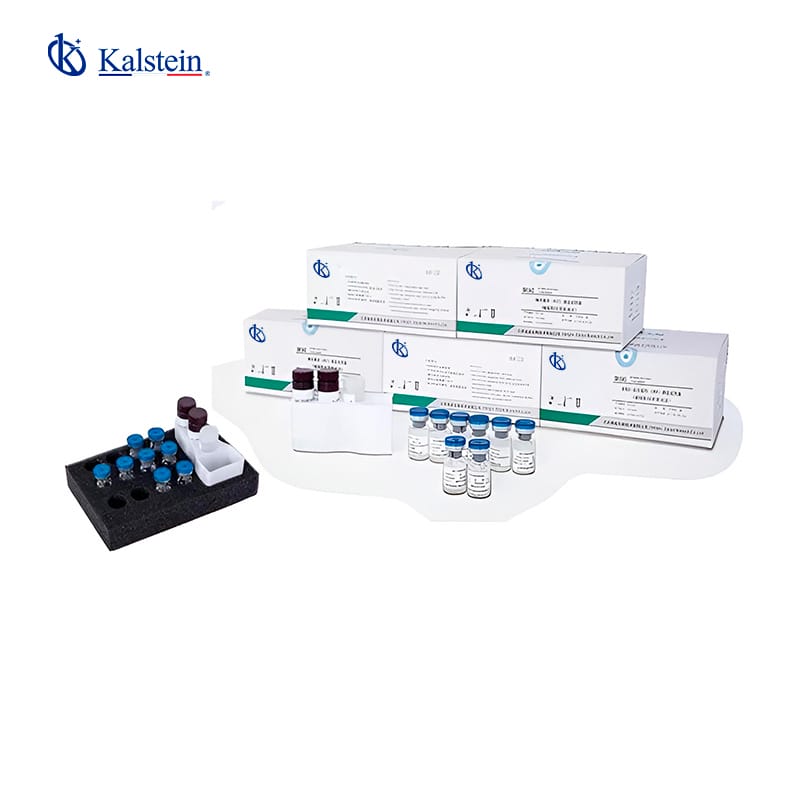
Product Description
The cardiac marker tests, designated under the models YRA363 to YRA367, represent a significant advancement in cardiovascular diagnostics. Using enzymatic chemiluminescence, this series is designed to offer precise and rapid results, which are crucial in identifying specific cardiac conditions. Each product tests a different parameter, from NT-ProBNP using the YRA363 model to high-sensitivity cardiac troponin I (hs-cTnI) with the YRA367. Enzymatic chemiluminescence is amplified by using alkaline phosphatase as the luminous marker.
An essential component of these cardiac tests is the competitive method it employs, which enhances the specificity and accuracy of the results. Each test kit is available in various package sizes, accommodating 100, 50, or 48 tests per kit. The kits contain essential components like magnetic beads, Anti-A/Anti-B, calibrators, QC1, and QC2, ensuring comprehensive and accurate testing. The recommended sample type for these tests is serum, and they should be stored at temperatures between 2-8°C to maintain their efficacy.
| Model | YRA363 | YRA364 | YRA365 | YRA366 | YRA367 |
| Tested Parameter | NT-ProBNP | D-Dimer | MYO | CK-MB | hs-cTnI |
| Luminous principle | Enzymatic chemiluminescence | ||||
| Luminous Marker | AP (alkaline phosphatase) | ||||
| Specification | 100 test/kit | ||||
| 50 test/kit | |||||
| 48 test/kit | |||||
| Principle | Competitive Method | ||||
| Components | Magnetic beads | ||||
| Anti-A/Anti-B | |||||
| Calibrators | |||||
| QC1 | |||||
| QC 2 | |||||
| Sample | Serum | ||||
| Storage | 2-8°C | ||||
Market Price
Cardiac marker tests, such as those in the YRA series, typically range from $250 to $500 per kit, depending on the number of tests included and the precise technology employed. Given the advanced chemiluminescence technology and comprehensive components, these tests are competitively priced in the market, providing robust accuracy and reliability.
Healthcare institutions, laboratories, and diagnostic centers often find these kits to be cost-effective solutions, considering the critical role they play in early diagnosis and treatment planning. The investment in these kits is justified by the reduction in diagnostic time and the ability to provide immediate insights into patient conditions.
Frequently Asked Questions
What are the main parameters tested by the YRA series?
The YRA series tests different cardiac markers, including NT-ProBNP, D-Dimer, MYO, CK-MB, and hs-cTnI, each corresponding to different models ranging from YRA363 to YRA367.
What type of sample is required for these tests?
The kits are designed to work with serum samples, ensuring enhanced accuracy and reliability in the results.
How should these kits be stored?
The optimal storage condition for these cardiac marker tests is between 2-8°C to maintain their efficacy over time.
Advantages and Disadvantages
Advantages: The YRA series offers several benefits, including high sensitivity and specificity due to enzymatic chemiluminescence combined with alkaline phosphatase. The comprehensive nature of the kits, which includes all necessary components such as magnetic beads and calibrators, makes them convenient and easy to use. Additionally, its capacity for multiple tests per kit enhances its cost-efficiency.
Disadvantages: One of the challenges might be its storage requirement, as maintaining a consistent temperature between 2-8°C might be logistically challenging for some. Additionally, while competitively priced, the initial investment costs may be significant for smaller laboratory settings.
Field Use
In practical applications, the YRA cardiac marker tests are invaluable in hospital emergency rooms, clinics, and laboratories worldwide. They facilitate rapid and accurate diagnosis of cardiac events, enabling healthcare professionals to make timely decisions in patient treatment. Their use in clinical scenarios accelerates the process of differential diagnosis among various cardiac conditions, such as myocardial infarction or heart failure, by providing critical biomarker information.
Given their reliability, these kits often form the cornerstone of cardiovascular diagnostic protocols, guiding further patient management decisions. By supplying a comprehensive diagnostic picture, they significantly enhance patient outcomes through timely and effective treatment interventions.
Recommendations
To maximize the utility and longevity of the YRA cardiac marker test kits, it is important to adhere to the recommended storage conditions and operate them following the manufacturer’s guidelines. Regular calibration and quality control (QC1 and QC 2) checks should be performed to maintain the precision of test results. By doing so, laboratories can ensure they consistently harness the full potential of this diagnostic tool.
For those considering integrating these tests into their diagnostic arsenal, consider initiating a partnership with experienced suppliers like Kalstein, who offer not only the products but also comprehensive after-sales support, ensuring the seamless integration of these diagnostic technologies into your workflow.
If you’re seeking a blend of innovation and quality, you’ve come to the right place. At Kalstein, we offer you the luxury of exploring our exclusive catalog of laboratory equipment. Each piece is manufactured with excellence. Our intuitive and agile online purchasing channels are designed for your convenience, ensuring the most friendly prices. Do not hesitate any longer; we bring science to life, and it’s time to be part of our community. https://kalstein.net/en/product/cardiac-marker-test-yra363-yra367/.
